Pediatric Gastrointestinal Endoscopy at Hoan My Cuu Long: Care Tailored to Each Child
Article Table of Contents
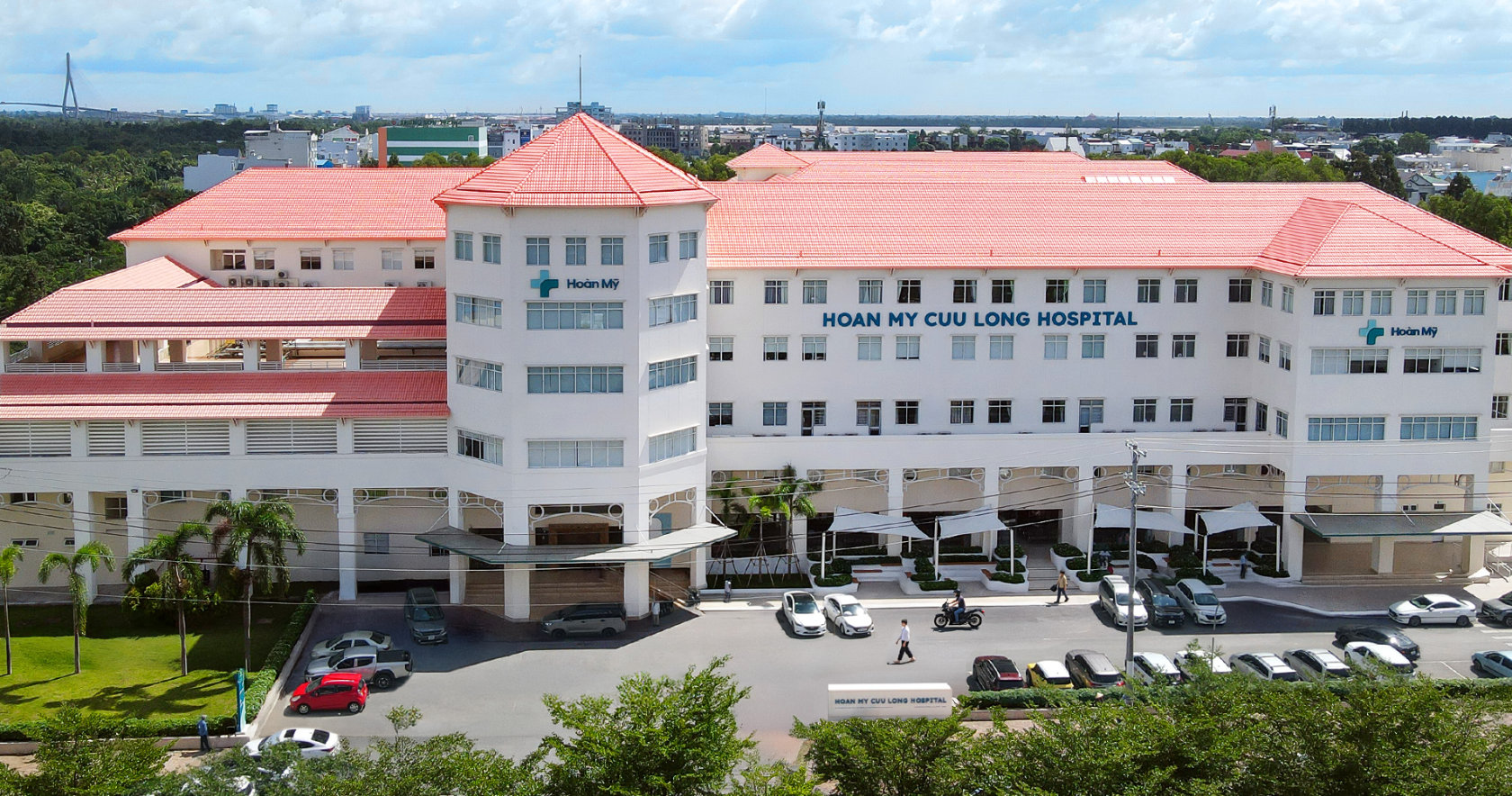
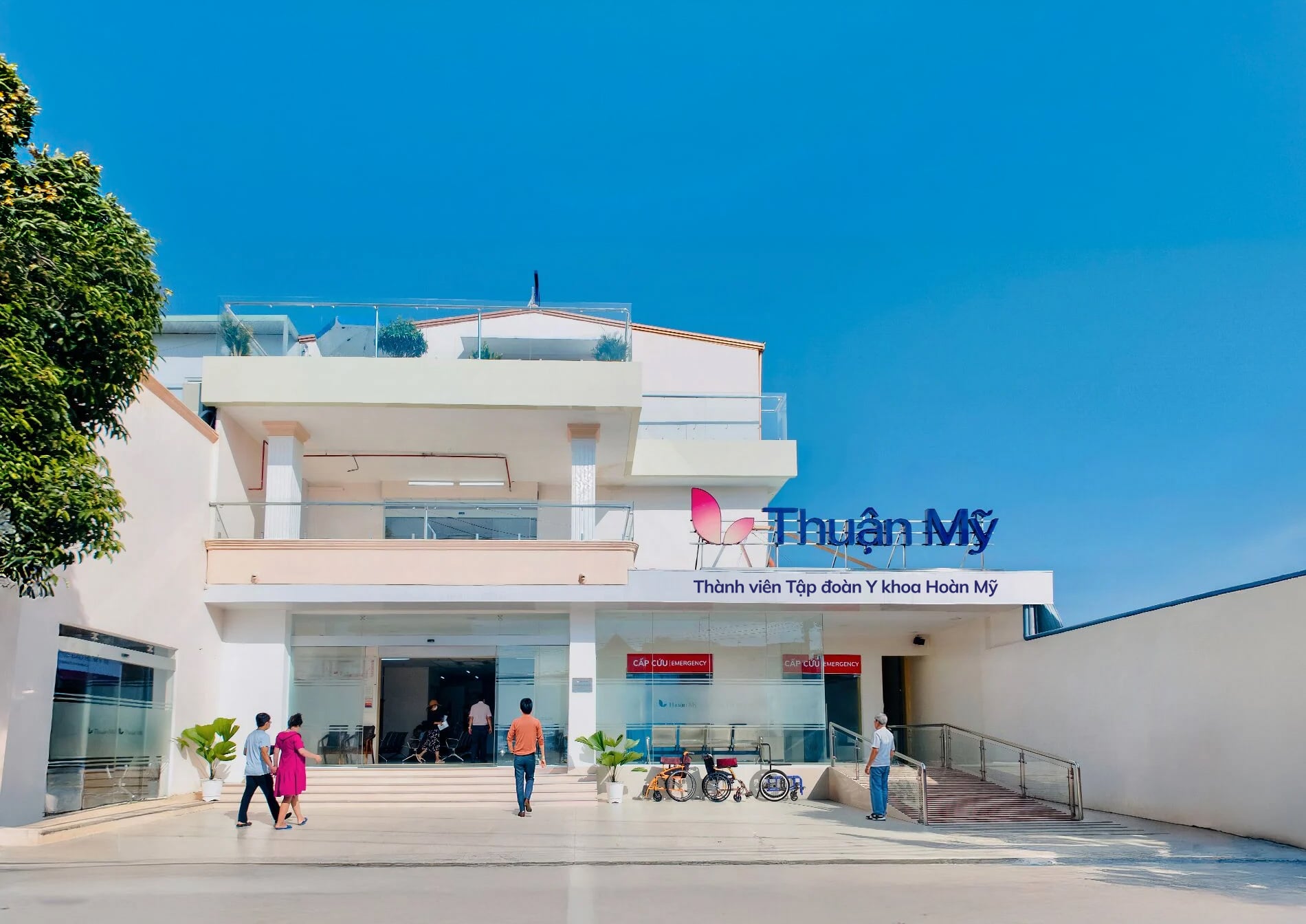
When a child has persistent abdominal pain, vomiting, or other unusual digestive symptoms, parents often worry. An examination to find the cause helps the doctor choose the right treatment. At Hoan My Cuu Long Hospital, a member of the Hoan My Medical Corporation, pediatric gastrointestinal endoscopy is offered with specialist coordination, equipment, and care processes suited to children.
Endoscopy Helps Identify the Cause of Digestive Conditions
Gastrointestinal endoscopy lets the doctor directly observe the lining of the digestive tract, assess lesions, and take biopsy samples for diagnosis when needed. In children, the procedure must be performed on appropriate indication after a clinical examination.
Depending on the condition, endoscopy can help detect inflammation, ulcers, bleeding sites, polyps, or suspicious lesions. In some cases, intervention can be performed through the endoscope when indicated, such as removing a foreign body, removing a polyp, or stopping bleeding.
When Should Parents Take Their Child for an Examination?
Parents should take their child to a medical facility if they notice any of the following:
Abdominal pain that is persistent or keeps recurring.
Prolonged vomiting, difficulty swallowing, or painful swallowing.
Vomiting blood, or black or bloody stools.
Prolonged diarrhea, or anemia of unknown cause.
Slow weight gain, weight loss, or prolonged poor appetite.
Suspected foreign body ingestion.
These signs need to be evaluated by a doctor to choose the appropriate tests and diagnostic methods. Not every case of abdominal pain or vomiting requires endoscopy. If a child shows signs of gastrointestinal bleeding or may have swallowed a foreign body, parents should take the child to a medical facility promptly.
Specialist Coordination with a Focus on Child Safety
Endoscopy in children requires preparation suited to the child’s age, weight, and health status. The choice of instruments and of anesthesia or sedation method matters, as does coordination among the gastroenterologist, the pediatrician, and the anesthesia team.
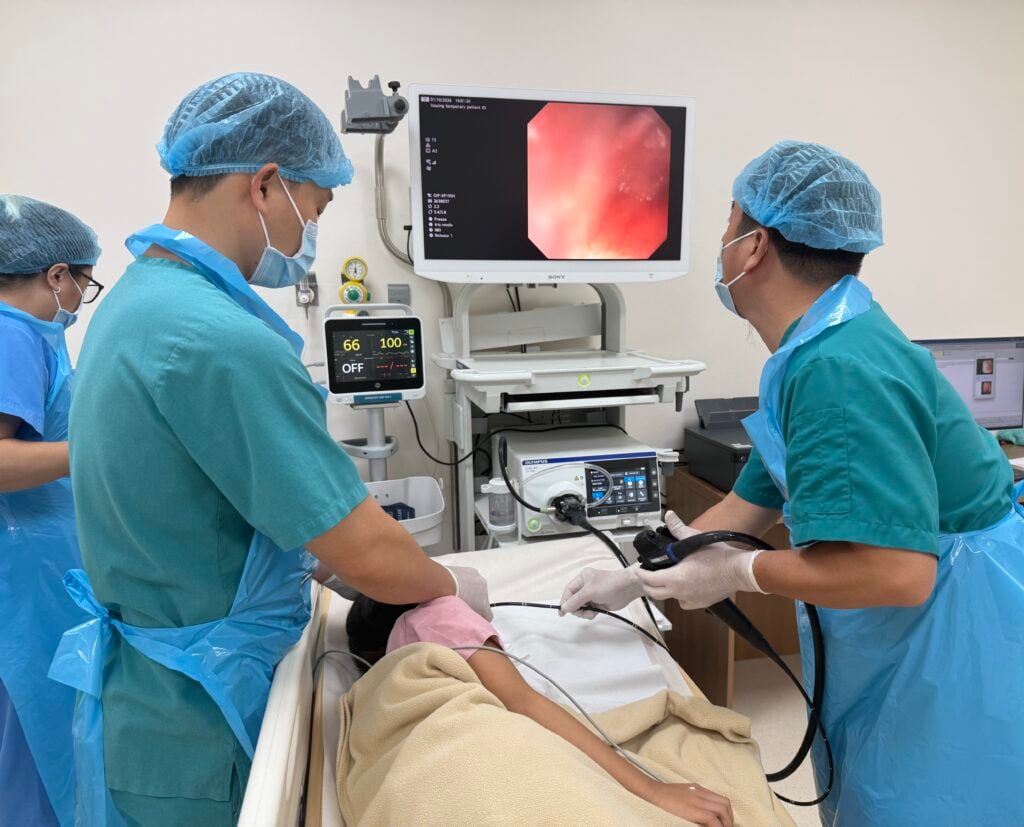
At Hoan My Cuu Long, the child is examined and assessed before endoscopy, and the family is counseled on the purpose of the procedure, how it will be done, and the preparation required. During the procedure, the team monitors the child’s vital signs. Afterward, the child continues to be cared for in the recovery area and is assessed before going home.
Parents receive specific instructions on fasting, fluid restrictions, and bowel preparation. Preparation time is set according to the child’s age, the type of endoscopy, and the anesthesia method, so families can cooperate properly with the medical staff.
Modern Endoscopy Systems and a Standardized Reprocessing Process
The Gastroenterology and Endoscopy Center at Hoan My Cuu Long Hospital is equipped with the Olympus EVIS X1 system with NBI and TXI technologies, as well as a Pentax system integrating OE and i-scan. These imaging technologies help doctors observe and assess abnormalities in the lining of the digestive tract.
Endoscopic instruments are selected to suit the child and the clinical requirements. After each case, the endoscope is cleaned, disinfected, and reprocessed in an automated closed-loop system, then stored in a dedicated cabinet.
Beyond equipment, the hospital emphasizes counseling, guidance, and care before, during, and after endoscopy, within a quality management system accredited by the Australian international body ACHSI.
The development of pediatric gastrointestinal endoscopy gives families in Can Tho and the Mekong Delta another option for examining, diagnosing, and treating their children locally. If a child shows unusual symptoms that persist, parents should take the initiative to bring the child in for timely assessment and advice.
Book a consultation or appointment: 02923 917 355 Address: 20 Vo Nguyen Giap Street, Hung Phu Ward, Can Tho City.
Share
Hoan My Hospital Network
Hoan My Cuu Long Hospital
Address: Lot 20, Vo Nguyen Giap Street (Quang Trung), Phu Thu Ward, Can Tho City
phone: 1800 6381
email: [email protected]
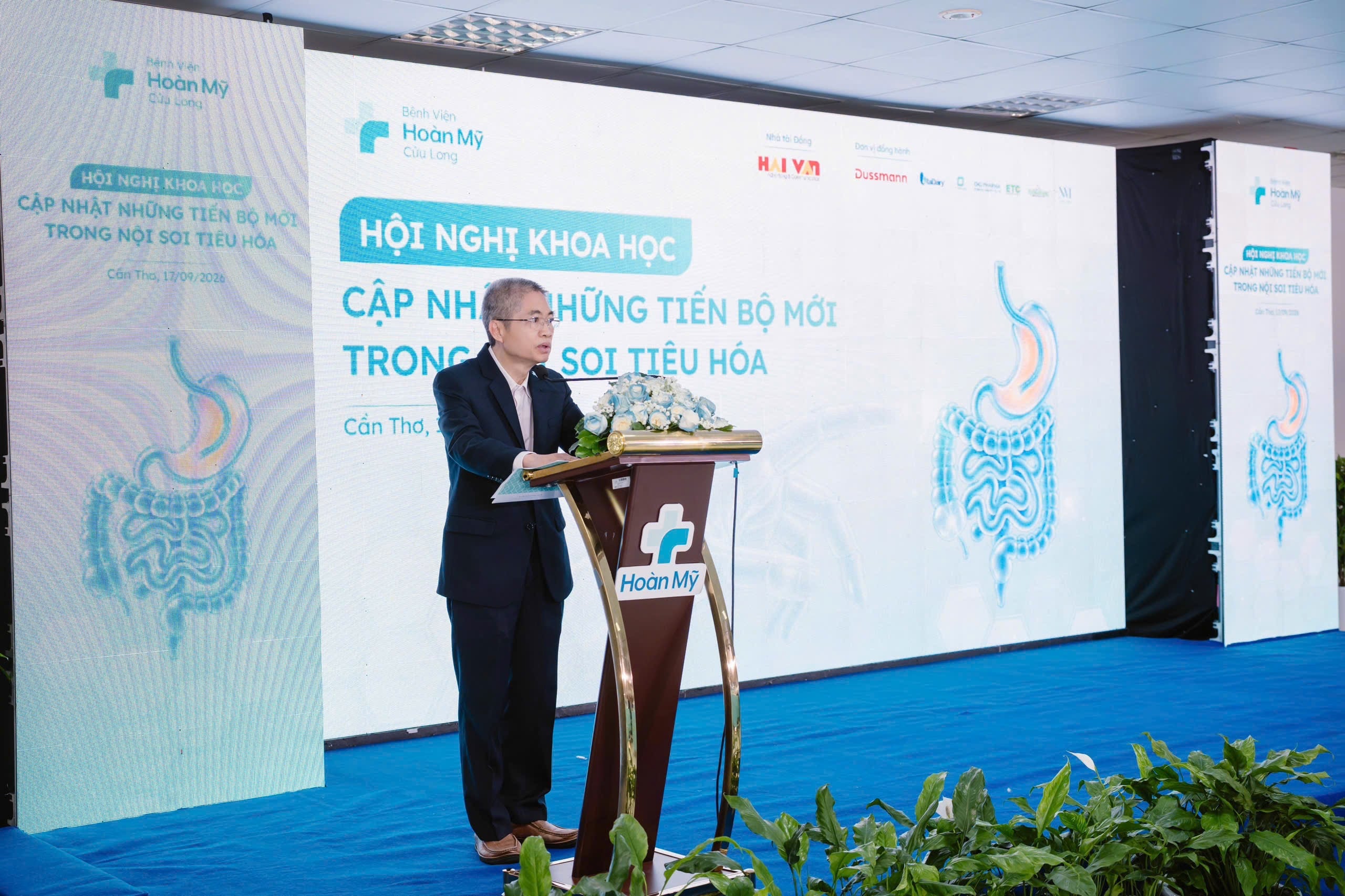
On September 17, 2026, Hoan My Cuu Long Hospital, a member of the Hoan My Medical Corporation, held the scientific conference “Updates on New Advances in Gastrointestinal Endoscopy.” Experts, physicians, and healthcare staff in gastroenterology and endoscopy took part. The conference served as a forum for professional exchange and for updates on new techniques with […]
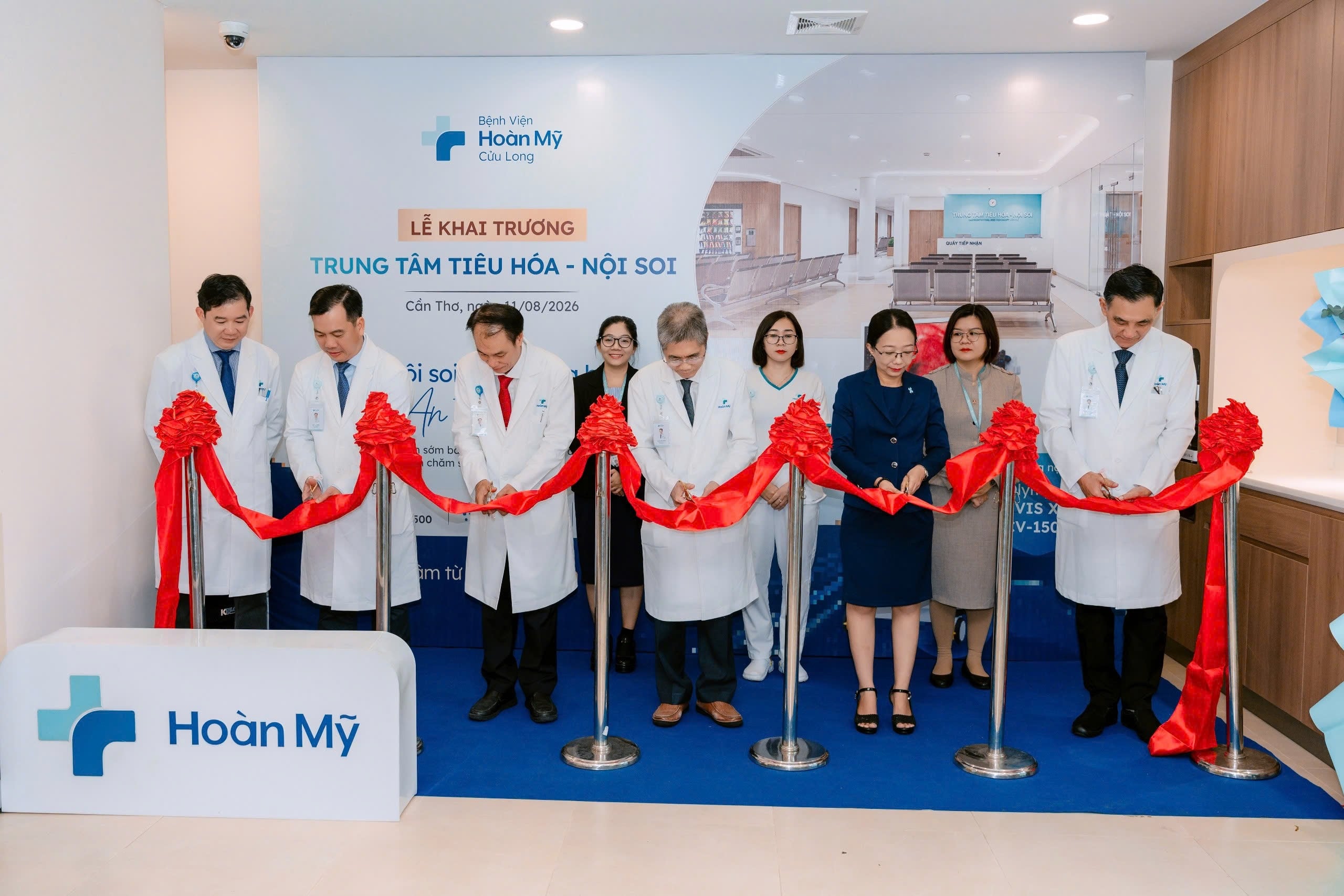
On August 11, 2026, Hoan My Cuu Long Hospital, a member of the Hoan My Medical Corporation, held the opening ceremony of its Advanced Gastroenterology and Endoscopy Center. The event marks a new stage in the hospital’s strategy of investing in specialized digestive care. It aims to improve screening, diagnosis, and treatment for residents of […]
Benign prostatic hyperplasia (BPH) is a common condition in middle-aged and older men. The disease often progresses slowly over many years, and in the early stages many people may not notice clear symptoms. However, as the condition develops, urinary problems can significantly affect daily activities and quality of life. What is benign prostatic hyperplasia? Benign prostatic hyperplasia […]
Many parents become worried when they notice their child blinking repeatedly or excessively, sometimes accompanied by eye rubbing, eye rolling, or forceful eye closing. This is a fairly common condition in children and can result from various causes, ranging from eye problems to psychological or neurological factors. Identifying the correct cause helps parents respond appropriately and avoid missing […]
By clicking "Accept All", you consent to the storage of cookies on your device to enhance site navigation, analyze site usage, and assist in our marketing efforts.









 60-60A Phan Xich Long Street, Cau Kieu Ward, Ho Chi Minh City
 Open 24 hours
 28/1 Binh Phuoc B Quarter, An Phu Ward, Ho Chi Minh City
 Open 24 hours
 245 Phan Xich Long Street, Cau Kieu Ward, Ho Chi Minh City
 Monday to Saturday | 07:00 - 16:00
 18 Binh Duong Boulevard, Binh Hoa Ward, Ho Chi Minh City
 Monday to Saturday 07:30 - 16:30. Emergency: 24/7