Benign Prostatic Hyperplasia: Signs to Recognize and Effective Care
Article Table of Contents
Benign prostatic hyperplasia (BPH) is a common condition in middle-aged and older men. The disease often progresses slowly over many years, and in the early stages many people may not notice clear symptoms. However, as the condition develops, urinary problems can significantly affect daily activities and quality of life.
What is benign prostatic hyperplasia?
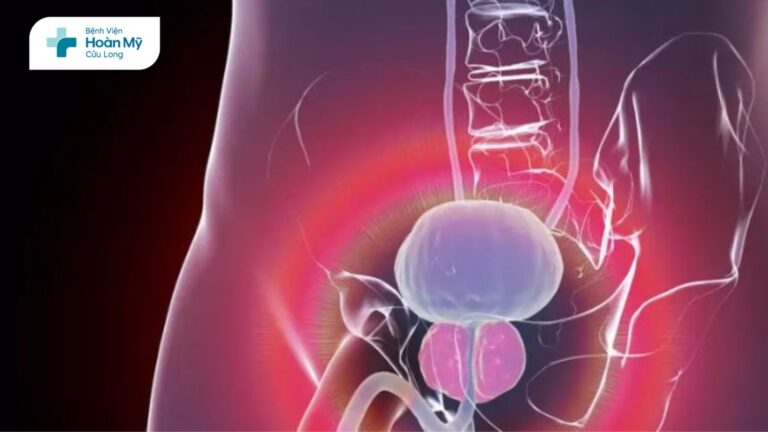
Benign prostatic hyperplasia is a condition in which the prostate gland gradually enlarges with age. It typically begins after the age of 40 and becomes more common as men get older. Statistics show that the prevalence may reach up to about 90% in men over 80 years old.
The condition often has a long latent phase, and most clinical symptoms become more noticeable in men over the age of 55.
Functions of the prostate gland
The prostate gland plays an important role in the male reproductive and urinary systems, including:
Producing fluid that forms part of semen and helps nourish and protect sperm
Contributing to the process of ejaculation
Helping regulate urine flow through muscular contraction
Common symptoms of benign prostatic hyperplasia
People with BPH may experience urinary symptoms such as:
Frequent urination, especially at night (nocturia)
Urgent need to urinate
Weak urine stream or straining during urination
Intermittent urine flow
Feeling that the bladder is not completely emptied
A sensation of bladder fullness shortly after urinating, leading to the need to urinate again
These symptoms often gradually worsen over time if the condition is not properly monitored and treated.
Diagnostic tests and evaluations
To assess prostate enlargement, doctors may recommend several tests, including:
Transrectal ultrasound (TRUS) of the prostate
PSA test (Prostate-Specific Antigen)
Measurement of post-void residual urine volume
Uroflowmetry (urine flow test)
Urodynamic studies
Cystoscopy (endoscopic examination of the urethra and bladder) when necessary
When is treatment needed?
Conservative medical treatment
This approach is often recommended for patients with mild symptoms and a post-void residual urine volume of less than 100 ml. The goal is to relieve symptoms and monitor disease progression.
Surgical treatment
Surgery may be considered when:
Urinary symptoms are severe
Post-void residual urine volume is greater than 100 ml
Medical treatment is not effective
Surgical options may include transurethral resection procedures, endoscopic prostate enucleation, or open surgery in special cases.
Care and prevention of prostate enlargement
Lifestyle changes
Exercise regularly and avoid prolonged sitting
Drink enough water daily while limiting alcohol and caffeine intake
Maintain a healthy and balanced sexual life
Have regular health check-ups for early detection of prostate problems
Healthy diet
Consume foods rich in omega-3 fatty acids and natural bioactive compounds
Ensure adequate intake of essential trace minerals such as zinc and selenium, which support prostate health
Limit high-fat and greasy foods
Reduce sugary drinks, alcohol, and carbonated beverages
Message for middle-aged and older men
Benign prostatic hyperplasia is a common age-related condition and is usually manageable when detected early and monitored properly. Regular health check-ups, paying attention to urinary changes, and following medical advice can help control the condition and improve quality of life.
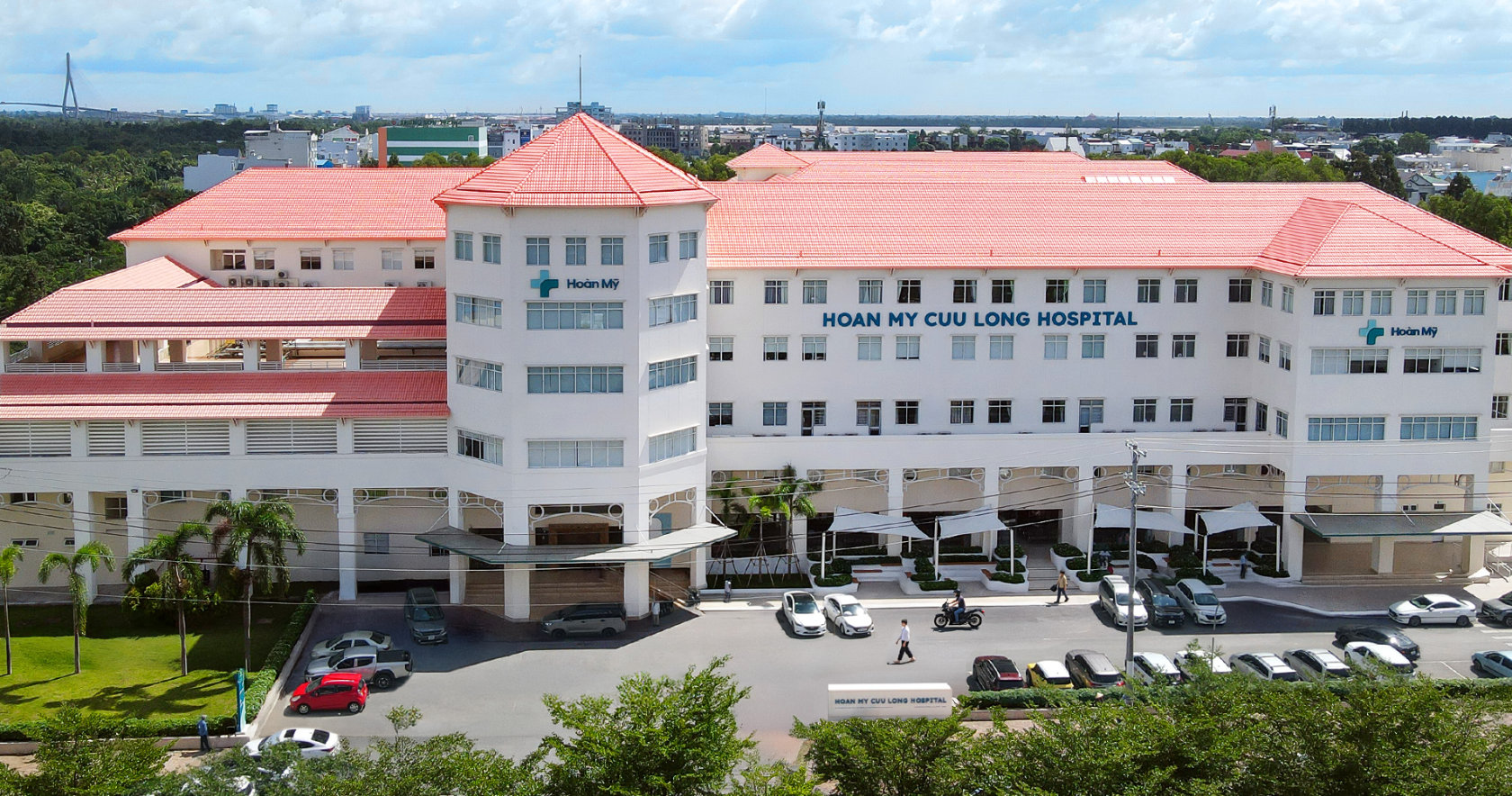
At Hoan My Cuu Long Hospital, patients can receive consultation, examination, and monitoring for prostate conditions from experienced doctors using appropriate diagnostic technologies.
Share
Hoan My Hospital Network
Hoan My Cuu Long Hospital
Address: Lot 20, Vo Nguyen Giap Street (Quang Trung), Phu Thu Ward, Can Tho City
phone: 1800 6381
email: [email protected]
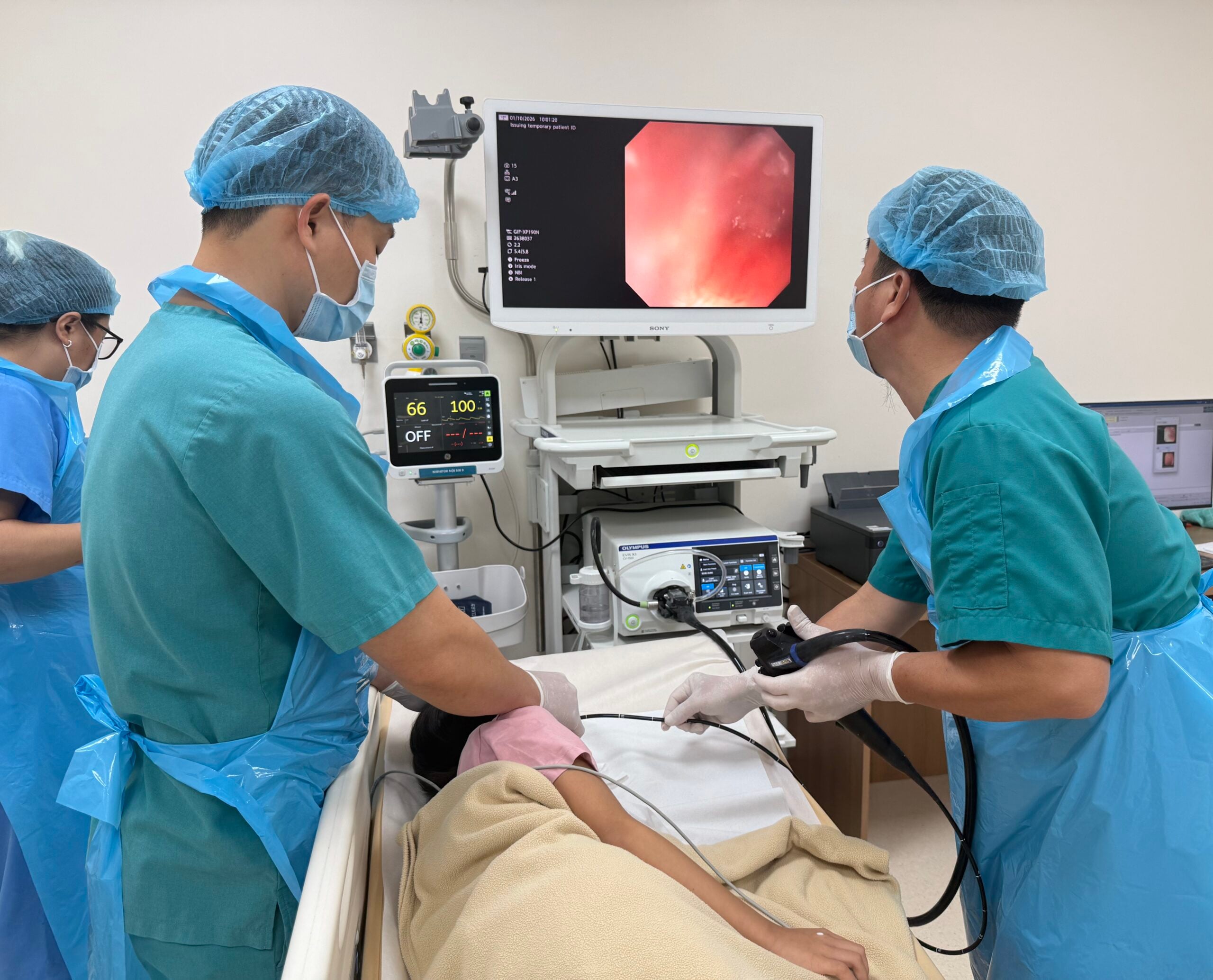
When a child has persistent abdominal pain, vomiting, or other unusual digestive symptoms, parents often worry. An examination to find the cause helps the doctor choose the right treatment. At Hoan My Cuu Long Hospital, a member of the Hoan My Medical Corporation, pediatric gastrointestinal endoscopy is offered with specialist coordination, equipment, and care processes […]
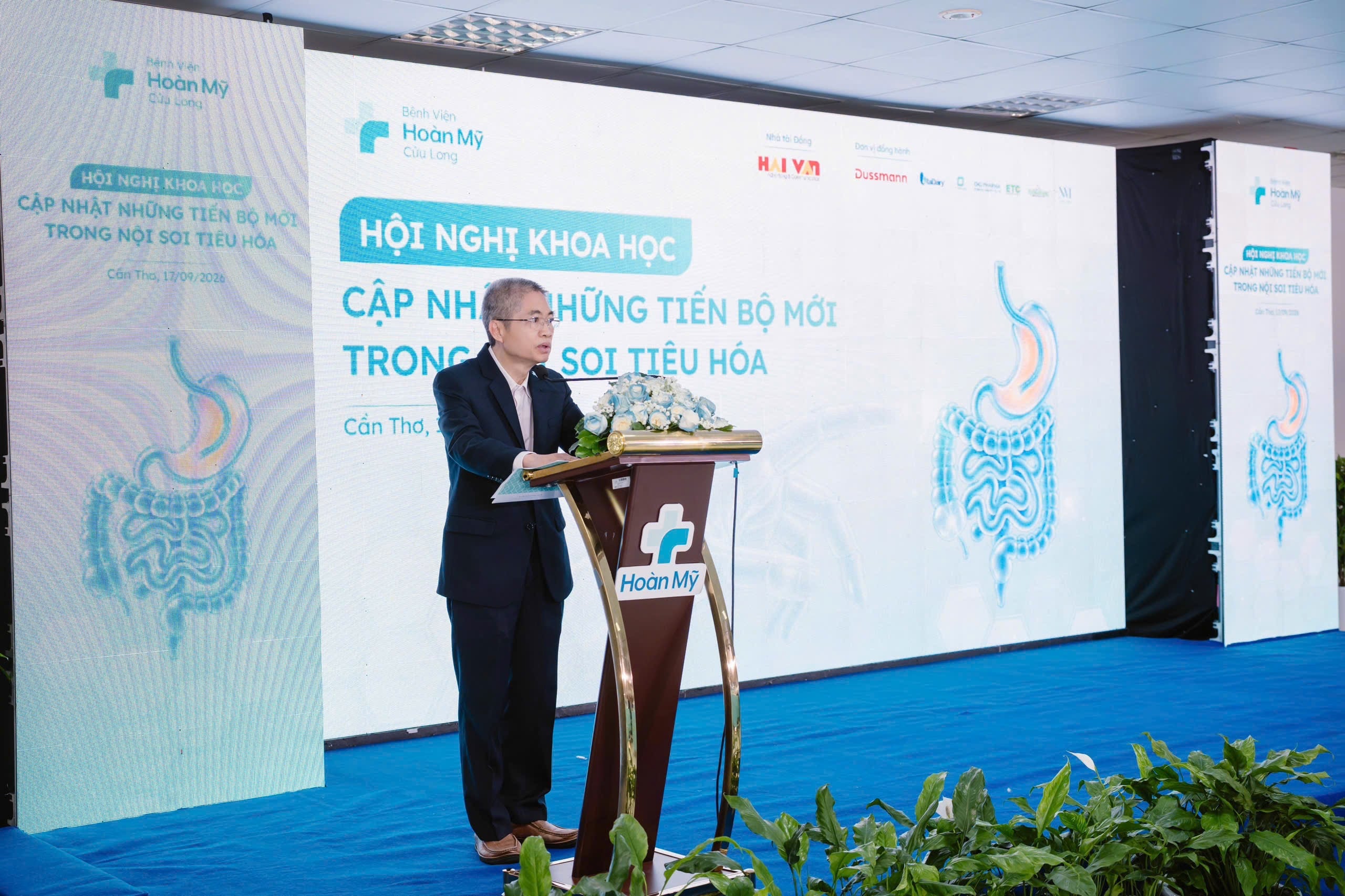
On September 17, 2026, Hoan My Cuu Long Hospital, a member of the Hoan My Medical Corporation, held the scientific conference “Updates on New Advances in Gastrointestinal Endoscopy.” Experts, physicians, and healthcare staff in gastroenterology and endoscopy took part. The conference served as a forum for professional exchange and for updates on new techniques with […]
On August 11, 2026, Hoan My Cuu Long Hospital, a member of the Hoan My Medical Corporation, held the opening ceremony of its Advanced Gastroenterology and Endoscopy Center. The event marks a new stage in the hospital’s strategy of investing in specialized digestive care. It aims to improve screening, diagnosis, and treatment for residents of […]
Many parents become worried when they notice their child blinking repeatedly or excessively, sometimes accompanied by eye rubbing, eye rolling, or forceful eye closing. This is a fairly common condition in children and can result from various causes, ranging from eye problems to psychological or neurological factors. Identifying the correct cause helps parents respond appropriately and avoid missing […]
By clicking "Accept All", you consent to the storage of cookies on your device to enhance site navigation, analyze site usage, and assist in our marketing efforts.










 60-60A Phan Xich Long Street, Cau Kieu Ward, Ho Chi Minh City
 Open 24 hours
 28/1 Binh Phuoc B Quarter, An Phu Ward, Ho Chi Minh City
 Open 24 hours
 245 Phan Xich Long Street, Cau Kieu Ward, Ho Chi Minh City
 Monday to Saturday | 07:00 - 16:00
 18 Binh Duong Boulevard, Binh Hoa Ward, Ho Chi Minh City
 Monday to Saturday 07:30 - 16:30. Emergency: 24/7