Frequent Blinking in Children: Is It a Cause for Concern?
Article Table of Contents
Many parents become worried when they notice their child blinking repeatedly or excessively, sometimes accompanied by eye rubbing, eye rolling, or forceful eye closing. This is a fairly common condition in children and can result from various causes, ranging from eye problems to psychological or neurological factors.
Identifying the correct cause helps parents respond appropriately and avoid missing conditions that require early treatment.
What Is Blinking in Children?
Blinking is a normal physiological reflex that helps clean the eye surface and keep the cornea moist through the tear film. In children, the average blinking rate is about 15 times per minute.
When a child blinks more frequently than usual, especially with symptoms such as eye rubbing, eye rolling, or visual difficulties, it may be considered excessive blinking and should be evaluated to determine the cause.
Common Causes of Frequent Blinking in Children:
Foreign objects in the eye: Small particles such as dust, sand, eyelashes, or insect wings may get trapped in the conjunctiva, especially under the upper eyelid. Children may rub their eyes frequently and develop redness and excessive tearing. Parents should avoid trying to remove the object themselves, as this may scratch the cornea.
Allergic conjunctivitis: This is a very common cause. Children may blink frequently, rub their eyes, and experience redness and tearing. Symptoms may occur together with nasal congestion, runny nose, or sneezing when exposed to dust, pollen, or other allergens. Some children also have a history of skin allergies or contact with pets.
Excessive use of electronic devices: Prolonged use of phones, computers, or television can cause children to focus intensely and blink less often, leading to dryness on the eye surface and visual strain. This may trigger a reflex of frequent blinking.
Uncorrected refractive errors: If a child cannot see clearly, they may squint, frown, tilt their head, or blink repeatedly in an attempt to improve vision. If not detected early, refractive errors may lead to amblyopia (lazy eye).
Psychological stress: Children who feel anxious, stressed, or emotionally pressured may blink excessively, especially when they know someone is watching them. This may occur together with behavioral changes such as withdrawal or sadness.
Tic disorders in children: Frequent blinking may be a sign of a tic, sometimes accompanied by facial movements such as lip twitching, nose wrinkling, or tongue protrusion. Psychological stress can worsen these symptoms.
Neurological conditions: Certain neurological disorders, including seizure-related conditions or facial nerve irritation, may also cause excessive blinking. These cases require further medical evaluation.
When Should Parents Take Their Child to the Doctor?
Parents should seek medical attention if:
The child blinks excessively and the condition persists
Blinking is accompanied by eye redness, pain, tearing, or frequent eye rubbing
The child shows signs of blurred vision, squinting, or head tilting while looking
Blinking occurs together with unusual behavioral or movement symptoms
Treatment and Prevention
Treatment depends on the underlying cause and may include:
Removing foreign objects from the eye
Treating allergic conjunctivitis with appropriate medication and avoiding allergens
Limiting screen time and using lubricating eye drops when necessary
Eye examinations and early correction of refractive errors with glasses
Psychological counseling or specialist care for tic or neurological disorders
Parents can also help prevent the condition by:
Ensuring children get enough sleep
Limiting screen time
Encouraging outdoor activities
Avoiding dust and environmental allergens
Scheduling regular eye examinations
A Message for Parents
Frequent blinking in children is not always dangerous, but it should not be ignored. Careful observation, early detection, and timely medical consultation can help protect both a child’s vision and overall health.
At Hoan My Cuu Long Hospital, parents can bring their children for eye examinations and receive appropriate consultation and treatment from experienced specialists.
Share
Hoan My Hospital Network
Hoan My Cuu Long Hospital
Address: Lot 20, Vo Nguyen Giap Street (Quang Trung), Phu Thu Ward, Can Tho City
phone: 1800 6381
email: [email protected]
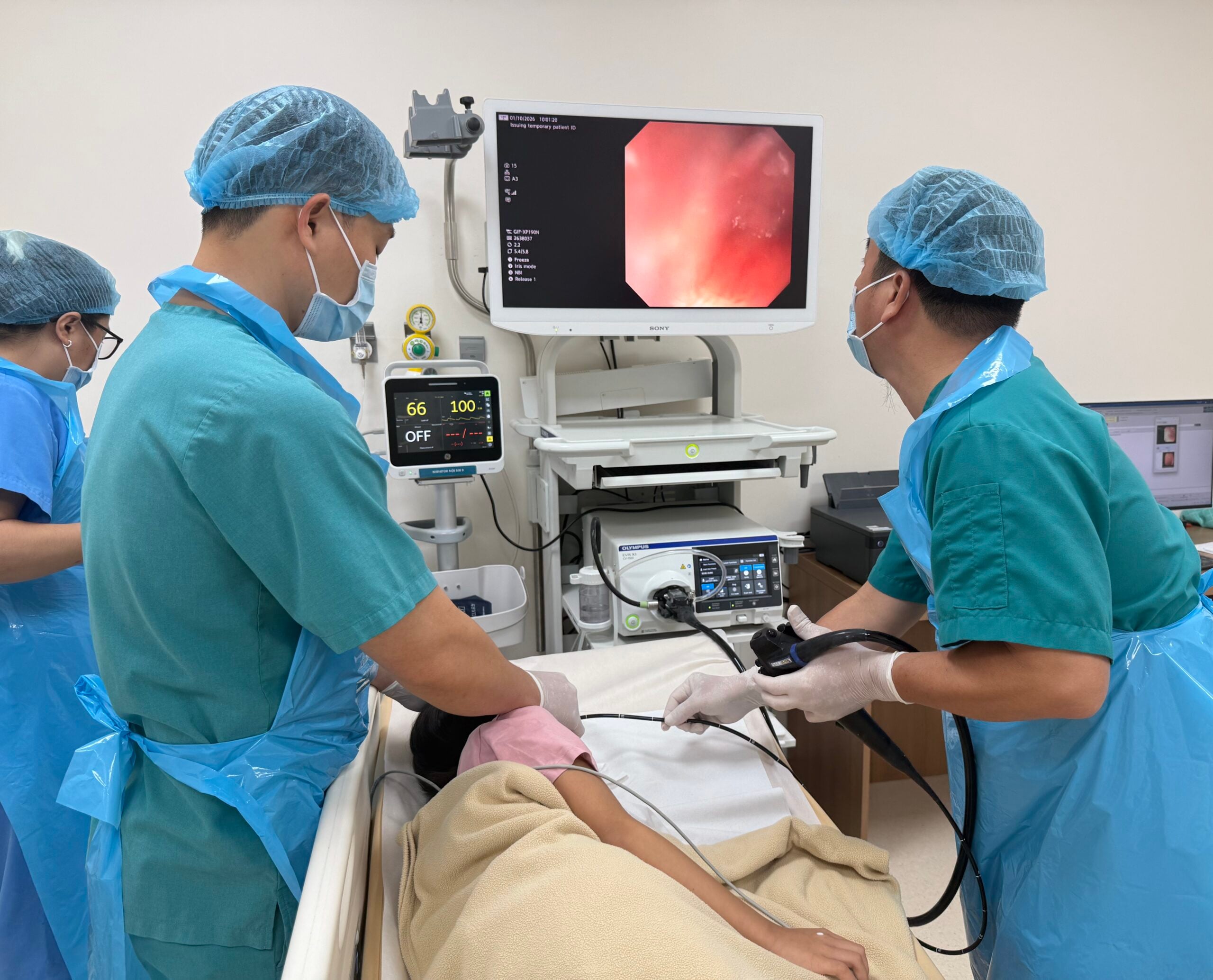
When a child has persistent abdominal pain, vomiting, or other unusual digestive symptoms, parents often worry. An examination to find the cause helps the doctor choose the right treatment. At Hoan My Cuu Long Hospital, a member of the Hoan My Medical Corporation, pediatric gastrointestinal endoscopy is offered with specialist coordination, equipment, and care processes […]
On September 17, 2026, Hoan My Cuu Long Hospital, a member of the Hoan My Medical Corporation, held the scientific conference “Updates on New Advances in Gastrointestinal Endoscopy.” Experts, physicians, and healthcare staff in gastroenterology and endoscopy took part. The conference served as a forum for professional exchange and for updates on new techniques with […]
On August 11, 2026, Hoan My Cuu Long Hospital, a member of the Hoan My Medical Corporation, held the opening ceremony of its Advanced Gastroenterology and Endoscopy Center. The event marks a new stage in the hospital’s strategy of investing in specialized digestive care. It aims to improve screening, diagnosis, and treatment for residents of […]
Benign prostatic hyperplasia (BPH) is a common condition in middle-aged and older men. The disease often progresses slowly over many years, and in the early stages many people may not notice clear symptoms. However, as the condition develops, urinary problems can significantly affect daily activities and quality of life. What is benign prostatic hyperplasia? Benign prostatic hyperplasia […]
By clicking "Accept All", you consent to the storage of cookies on your device to enhance site navigation, analyze site usage, and assist in our marketing efforts.












 60-60A Phan Xich Long Street, Cau Kieu Ward, Ho Chi Minh City
 Open 24 hours
 28/1 Binh Phuoc B Quarter, An Phu Ward, Ho Chi Minh City
 Open 24 hours
 245 Phan Xich Long Street, Cau Kieu Ward, Ho Chi Minh City
 Monday to Saturday | 07:00 - 16:00
 18 Binh Duong Boulevard, Binh Hoa Ward, Ho Chi Minh City
 Monday to Saturday 07:30 - 16:30. Emergency: 24/7