Meningococcal disease is a serious infectious disease that can progress rapidly and become life-threatening within a short period. Recognizing warning signs early, seeking prompt medical attention, and proactively vaccinating children are important measures to help protect their health.
1. What Is Meningococcal Disease?
Meningococcal disease is caused by the bacterium Neisseria meningitidis (meningococcus). This bacterium can be present in the nose and throat of healthy individuals without causing symptoms. However, in some cases, it can enter the bloodstream and cause severe illness.
The two major severe forms of the disease are:
Meningococcal meningitis: The bacteria cause inflammation of the membranes surrounding the brain and spinal cord.
Meningococcal bloodstream infection (meningococcemia): The bacteria enter the bloodstream and may cause septic shock, blood clotting disorders, multiple organ failure, and death.
A child can develop both forms ofthe disease simultaneously.
2. How Does Meningococcal Disease Spread?
Meningococcal bacteria are transmitted from person to person primarily through respiratory and throat secretions during close contact, such as kissing, direct exposure to saliva, or prolonged close contact with someone, including people living in the same household.
Children are at risk of infection when they have close contact with someone who has the disease or someone who carries the bacteria in their nose and throat.
3. Which Children Are at Higher Risk?
Children at increased risk include:
Infants.
Children living in crowded environments or having close contact with someone who has the disease.
Children with weakened immune systems, complement deficiencies, or absent or impaired splenic function.
Children who have not been vaccinated against the relevant meningococcal serogroups.
4. What Warning Signs Should Parents Look Out For?
In its early stages, meningococcal disease may resemble influenza or other common infections. However, a child’s condition can deteriorate very rapidly.
Warning signs to watch for include:
High fever and unusual fatigue: The child may develop a sudden fever, become unusually irritable, appear extremely weak or lethargic, refuse food, or feed poorly.
Headache, vomiting, and neck stiffness: Older children may experience severe headaches, vomiting, sensitivity to light (photophobia), or difficulty bending their head forward.
Symptoms in young children: Infants and young children may refuse feeds, be difficult to wake, cry unusually or inconsolably, develop seizures, or have a bulging fontanelle. Infants do not necessarily exhibit neck stiffness.
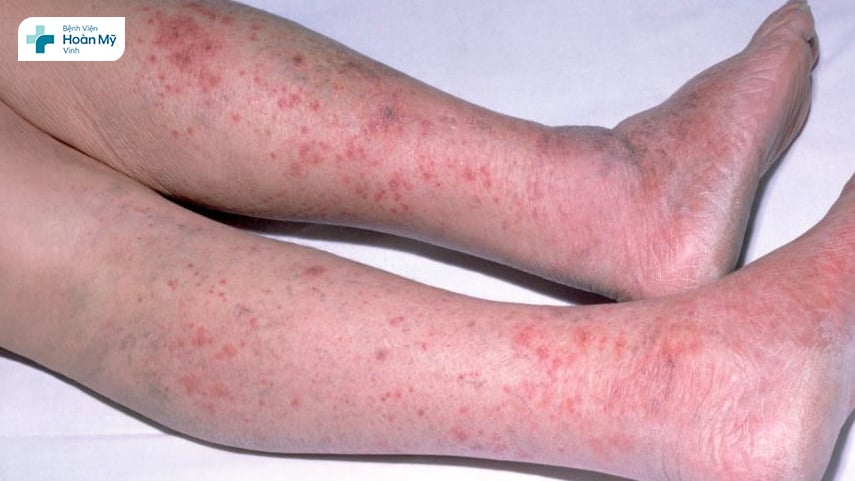
Red or purple spots or patches on the skin (petechiae or purpura): These spots may not fade when pressed and can spread rapidly. Their appearance is particularly concerning.
Not every child with meningococcal disease develops a hemorrhagic rash. Parents should not wait for a rash to appear before seeking medical attention if their child has other warning signs.
5. When Should You Take Your Child to the Hospital Immediately?
Seek immediate emergency medical care if your child develops any of the following symptoms:
Fever accompanied by lethargy, difficulty waking, or altered consciousness.
A hemorrhagic rash on the skin.
Cold hands and feet, pale or mottled skin, rapid breathing, or difficulty breathing.
Severe leg pain, unusual weakness, or refusal to walk.
Seizures, severe headache, or neck stiffness.
Rapid deterioration, even if the illness initially appears to be an ordinary fever.
Parents should never wait for a hemorrhagic rash to appear before seeking medical attention. Some children with meningococcal disease do not develop a hemorrhagic rash, while in others, the rash may only appear when the disease has progressed to a severe stage.
If meningococcal disease is suspected, take your child to the emergency department immediately. Do not attempt to treat the child at home or delay medical assessment while waiting for typical symptoms to develop.
6. How Dangerous Is Meningococcal Disease?
According to the U.S. Centers for Disease Control and Prevention (CDC), invasive meningococcal disease can cause death or serious long-term complications, even with treatment.
Approximately 10–15%: The case fatality rate among people with invasive meningococcal disease, even with treatment.
Approximately 1 in 5 survivors: May experience long-term complications, such as hearing loss, neurological damage, or limb loss.
These figures reflect the risks associated with invasive meningococcal disease overall and are not specific to children.
Serious complications include septic shock, multiple organ failure, skin and limb necrosis, deafness, brain damage, and even death.
7. Can Meningococcal Disease Be Treated?
Meningococcal disease can be treated with appropriate antibiotics, but treatment must begin as early as possible in a hospital setting.
When meningococcal disease is suspected, doctors will promptly assess the child’s condition, perform the necessary tests, and administer intravenous antibiotics. Children with severe disease may require intensive care.
Parents should not purchase or administer antibiotics at home if meningococcal disease is suspected, as this may delay emergency care and appropriate treatment.
8. How Can Meningococcal Disease Be Prevented?
Vaccination is one of the most important and effective measures for preventing meningococcal disease.
Meningococcal bacteria are classified into several serogroups. Six serogroups—A, B, C, W, X, and Y—are important causes of invasive disease worldwide.
Serogroup B meningococcal vaccine: Helps protect against disease caused by serogroup B.
MenACWY vaccine: Helps protect against disease caused by serogroups A, C, W, and Y.
Other vaccines: Combination vaccines and vaccines offering additional protection against serogroup X are also available in some parts of the world. Access depends on the country and the products that have been licensed.
No single vaccine protects against all meningococcal serogroups. The recommended age for vaccination and the vaccination schedule must be based on the specific product licensed in Vietnam, the child’s health status, and individual risk factors. Vaccination schedules from other countries should not be applied indiscriminately.
Parents should take their children to a vaccination facility for professional advice on selecting the appropriate vaccine.
In addition to vaccination, personal hygiene should be maintained, close contact with people who have the disease should be limited, and items that may be contaminated with saliva, such as toothbrushes and drinking cups, should not be shared.
9. What Should You Do If Someone in Your Household or Child’s Class Has Meningococcal Disease?
When a case of invasive meningococcal disease is identified, close contacts should be assessed by healthcare professionals and given antibiotic prophylaxis as soon as possible, ideally within 24 hours after the case is identified.
Close contacts may include household members, certain contacts in childcare settings, and people who have had direct exposure to the patient’s oral or throat secretions.
Even people who have been vaccinated may still need antibiotic prophylaxis after close contact with an infected person. The decision to prescribe antibiotics and the choice of medication must be made by a healthcare professional. Antibiotics should not be purchased or taken without medical advice.
10. Key Messages for Parents
Vaccinate proactively: Vaccination helps reduce the risk of disease caused by the corresponding meningococcal serogroups.
Recognize warning signs early: Pay particular attention when a child has a fever accompanied by extreme fatigue, lethargy, cold hands and feet, or a hemorrhagic rash.
Seek timely medical care: Do not wait for all typical symptoms to appear or attempt home treatment when severe illness is suspected.
Although meningococcal disease is relatively uncommon, it can have extremely serious consequences. Recognizing warning signs early, ensuring timely treatment, and proactively vaccinating children are important measures to help protect their health.
Following a sports injury, one of the most common concerns among athletes and active individuals is not only whether surgery is necessary, but also how long recovery will take and whether they will be able to return to their previous level of performance. Orthopedic Trauma specialists at Hoan My Vinh Hospital share three important factors […]
Through the effective combination of highly skilled physicians, extensive clinical experience, and advanced medical technology, Hoan My Vinh Hospital has successfully identified numerous gastrointestinal lesions at very early stages. Early detection not only improves treatment outcomes but also reduces healthcare costs and alleviates the psychological burden on patients. Detecting Disease Early Despite Vague Symptoms Clinical […]
On February 6, Hoan My Vinh Hospital received a 4-year-old patient (T.A., from Hung Nguyen District) who was brought to the hospital after accidentally swallowing a foreign object. According to the child’s family, about 30 minutes before arriving at the hospital, the child was playing with a key and accidentally swallowed it. After noticing the incident, the family immediately took the child to […]
In the joyful atmosphere of the early days of the Lunar New Year, Hoan My Vinh Hospital organized a series of community health care activities, including free medical examinations, health consultations, and medicine distribution for local residents at the Minh Hop Commune Health Station, Nghe An Province. The hospital also participated in the “Spring of […]
By clicking "Accept All", you consent to the storage of cookies on your device to enhance site navigation, analyze site usage, and assist in our marketing efforts.








 60-60A Phan Xich Long Street, Cau Kieu Ward, Ho Chi Minh City
 Open 24 hours

 28/1 Binh Phuoc B Quarter, An Phu Ward, Ho Chi Minh City
 Open 24 hours

 245 Phan Xich Long Street, Cau Kieu Ward, Ho Chi Minh City
 Monday to Saturday | 07:00 - 16:00

 18 Binh Duong Boulevard, Binh Hoa Ward, Ho Chi Minh City
 Monday to Saturday 07:30 - 16:30. Emergency: 24/7