Voice Disorders: Causes, Warning Signs, and When to See a Doctor
Article Table of Contents
The voice is an essential tool for daily communication and work. However, many people experience hoarseness, voice loss, or unusual voice changes but often dismiss these symptoms as fatigue or a common cold. In reality, voice disorders can be a sign of various health conditions, ranging from temporary physiological changes to potentially serious diseases if not detected early.
What Are Voice Disorders?
Voice disorders refer to changes in the normal quality, strength, or ability to produce sound. Common symptoms may include:
Hoarseness or a rough, unclear voice
Weak voice, quick vocal fatigue, or difficulty speaking for long periods
A strained or heavy voice that requires effort to speak
The sensation of producing two voices simultaneously
Voice cracking or an unusually deep or breathy voice
Being able to speak only briefly before losing the voice and needing rest to continue
Complete loss of voice, with only breathy sounds
These symptoms may appear temporarily or persist for a longer time, affecting communication and quality of life.
Causes of Voice Disorders
The voice is produced by the vibration of the vocal cords in the larynx. When the structure or function of the vocal cords is affected, voice quality can change. Voice disorders may be associated with:
Vocal cord inflammation
Lesions or tumors on the vocal cords (benign or malignant)
Vocal cord paralysis due to nerve injury
Physiological changes during puberty
Prolonged fatigue or excessive voice use
Certain systemic diseases or complications following neck surgery
Are Voice Disorders Dangerous?
Depending on the underlying cause, voice disorders may be temporary and improve with rest. However, in some cases, they may signal more serious conditions, particularly diseases affecting the larynx.
Persistent hoarseness, unexplained voice loss, or a strained and heavy voice should not be ignored, as these symptoms may indicate underlying health problems that require timely diagnosis and treatment.
When Should You See a Doctor?
People should seek medical attention if they experience:
Hoarseness lasting longer than three weeks without a clear cause
Gradual or sudden voice loss that does not improve after 24 hours
Voice changes accompanied by sore throat, difficulty swallowing, or shortness of breath
Persistent hoarseness in men over 50, especially those who smoke
Early medical evaluation helps identify the exact cause and allows timely treatment, reducing the risk of complications.
Which Specialist Should You See When Experience Voice Disorders?
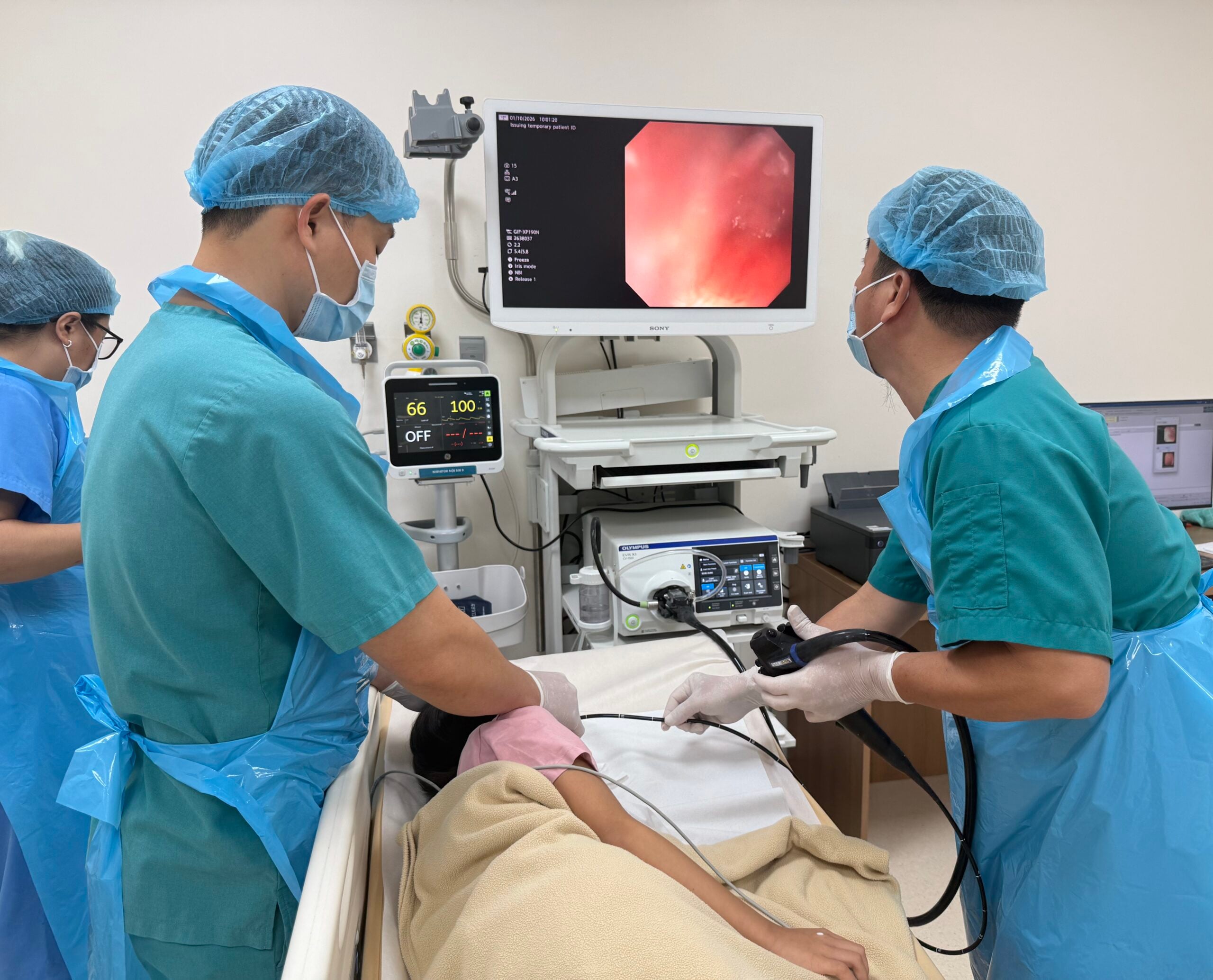
When experiencing voice disorders, patients should consult an Ear, Nose, and Throat (ENT) specialist. The doctor will assess the condition of the vocal cords and may perform a laryngeal endoscopy (a procedure using a small camera to examine the voice box) if necessary. If the cause is related to another specialty, the patient will be referred for appropriate evaluation and care.
Protecting Your Voice and Laryngeal Health
Voice disorders may result from normal physiological changes or benign conditions, but they can also be an early warning sign of more serious diseases. Paying attention to voice changes and seeking medical care when symptoms persist is essential for protecting overall health.
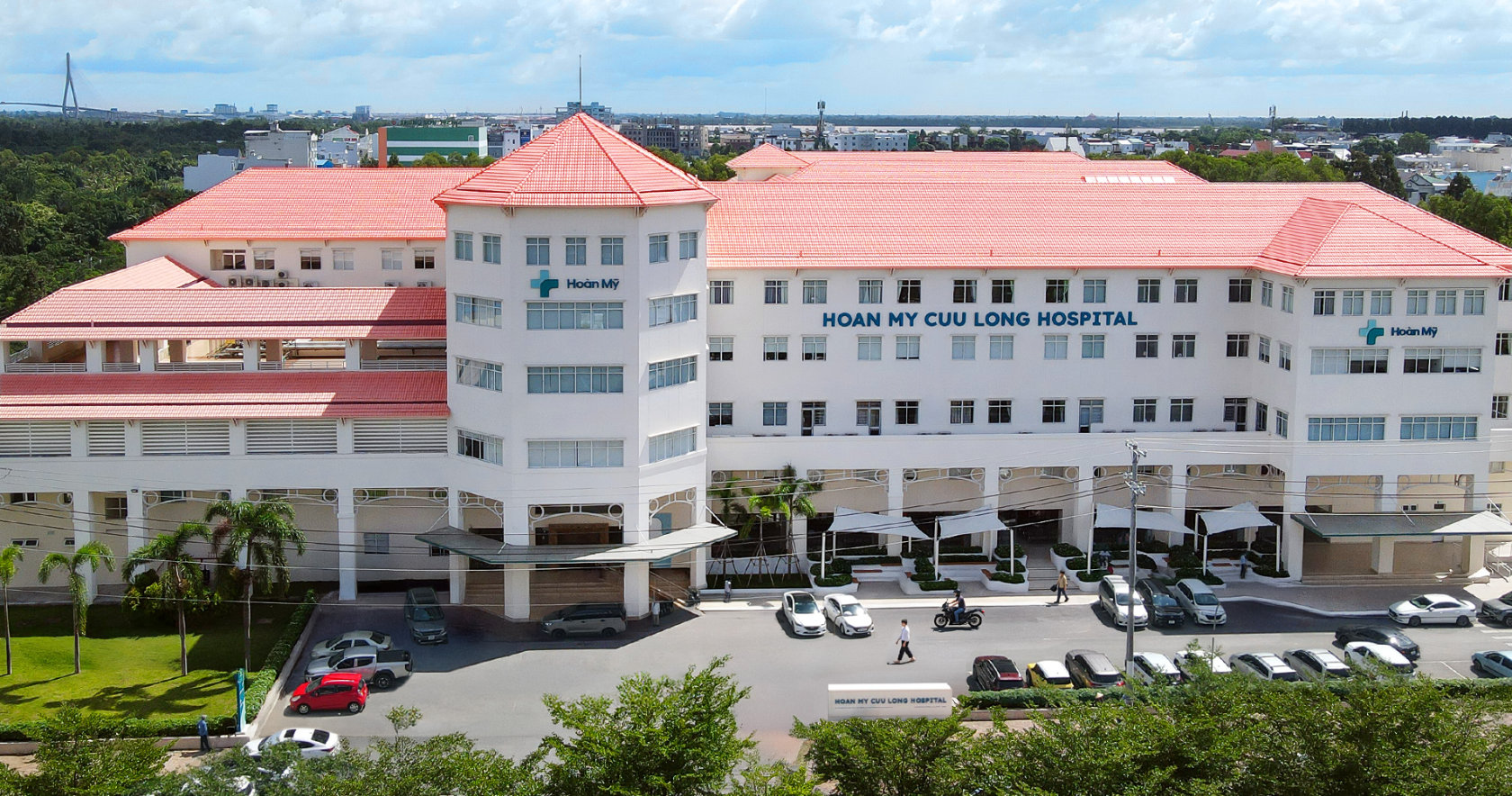
At Hoan My Cuu Long Hospital, patients can receive specialized ENT consultation with modern endoscopic equipment, enabling accurate diagnosis and timely treatment of voice-related conditions.
Share
Hoan My Hospital Network
Hoan My Cuu Long Hospital
Address: Lot 20, Vo Nguyen Giap Street (Quang Trung), Phu Thu Ward, Can Tho City
phone: 1800 6381
email: [email protected]
When a child has persistent abdominal pain, vomiting, or other unusual digestive symptoms, parents often worry. An examination to find the cause helps the doctor choose the right treatment. At Hoan My Cuu Long Hospital, a member of the Hoan My Medical Corporation, pediatric gastrointestinal endoscopy is offered with specialist coordination, equipment, and care processes […]
On September 17, 2026, Hoan My Cuu Long Hospital, a member of the Hoan My Medical Corporation, held the scientific conference “Updates on New Advances in Gastrointestinal Endoscopy.” Experts, physicians, and healthcare staff in gastroenterology and endoscopy took part. The conference served as a forum for professional exchange and for updates on new techniques with […]
On August 11, 2026, Hoan My Cuu Long Hospital, a member of the Hoan My Medical Corporation, held the opening ceremony of its Advanced Gastroenterology and Endoscopy Center. The event marks a new stage in the hospital’s strategy of investing in specialized digestive care. It aims to improve screening, diagnosis, and treatment for residents of […]
Benign prostatic hyperplasia (BPH) is a common condition in middle-aged and older men. The disease often progresses slowly over many years, and in the early stages many people may not notice clear symptoms. However, as the condition develops, urinary problems can significantly affect daily activities and quality of life. What is benign prostatic hyperplasia? Benign prostatic hyperplasia […]
By clicking "Accept All", you consent to the storage of cookies on your device to enhance site navigation, analyze site usage, and assist in our marketing efforts.











 60-60A Phan Xich Long Street, Cau Kieu Ward, Ho Chi Minh City
 Open 24 hours
 28/1 Binh Phuoc B Quarter, An Phu Ward, Ho Chi Minh City
 Open 24 hours
 245 Phan Xich Long Street, Cau Kieu Ward, Ho Chi Minh City
 Monday to Saturday | 07:00 - 16:00
 18 Binh Duong Boulevard, Binh Hoa Ward, Ho Chi Minh City
 Monday to Saturday 07:30 - 16:30. Emergency: 24/7