Hoan My Da Lat Hospital Applies Laser Technology in Hemorrhoid Treatment
Article Table of Contents
Hoan My Da Lat Hospital has successfully performed a grade III hemorrhoid surgery using laser technology, enabling safe intervention and favorable recovery for the patient. This marks the first time the technique has been implemented at the hospital, offering a new treatment option for local residents at the provincial level.
The patient, a 40-year-old female, was admitted with anal pain and burning sensation, difficulty during bowel movements, bleeding, and prolapsed hemorrhoids that could not retract spontaneously. The condition had persisted for over a year, significantly affecting her daily life and work. Based on clinical examination combined with rectal endoscopy, doctors diagnosed her with grade III hemorrhoids.
According to general surgery specialists, hemorrhoids are among the most common anorectal conditions and are increasingly affecting younger populations due to sedentary lifestyles, prolonged sitting, low-fiber diets, and insufficient water intake – especially among office workers. However, due to hesitation in seeking medical care, many patients delay treatment until the condition progresses to an advanced stage, increasing the risk of associated anorectal conditions such as polyps, tumors, or inflammation.
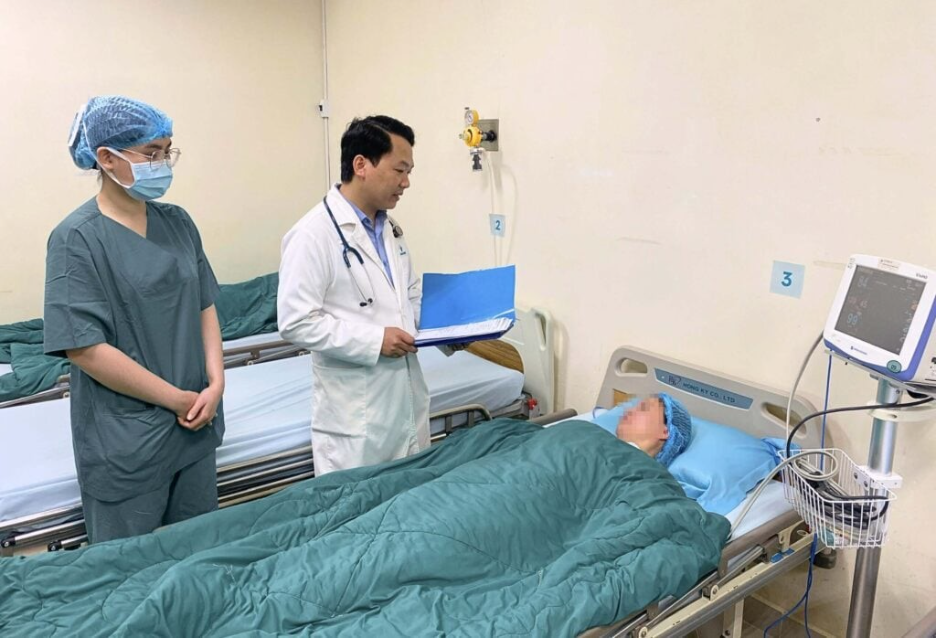
Following a multidisciplinary consultation, the surgical team at Hoan My Da Lat Hospital decided to treat the patient using laser hemorrhoid surgery (laser hemorrhoidal reconstruction). This method uses a diode laser to directly act on the tissue and vascular structures of the hemorrhoids, helping to shrink them effectively. The procedure was performed by Dr. Pham Thanh Tong.
At Hoan My Da Lat Hospital, laser treatment for hemorrhoids is conducted using the Biolitec system (Germany), a specialized device for modern hemorrhoid surgery. This method offers several advantages, including minimal invasiveness, reduced postoperative pain, shorter procedure time, faster recovery, and better preservation of the anatomical structure and physiological function of the anal canal compared to some traditional surgical methods.
After surgery, the patient recovered well, experienced minimal pain, and no complications were recorded during follow-up. To reduce the risk of recurrence, the patient was advised to increase physical activity, maintain adequate hydration, and incorporate more vegetables into her diet.
Doctors also recommend that individuals experiencing symptoms such as persistent anal prolapse, pain accompanied by bleeding should seek medical attention at specialized surgical facilities for accurate diagnosis and timely treatment to prevent complications.
According to Dr. Le Tho, General Manager of Hoan My Da Lat Hospital, the adoption and implementation of advanced treatment techniques is a consistent strategic direction of the hospital. The application of laser technology in hemorrhoid treatment has improved access to minimally invasive surgical techniques for local patients, while also strengthening the hospital’s clinical capabilities and technical expertise in managing complex surgical conditions and routinely implementing modern surgical procedures.
Share
Hoan My Hospital Network
Hoan My Da Lat Hospital
Address: Long Tho Hill, Xuan Huong Ward - Da Lat, Lam Dong province
phone: +84 26 3730 3888
email: [email protected]
On the morning of March 10, 2026, Hoan My Binh Duong Hospital – a member of Hoan My Medical Corporation, which includes the brands Hoan My, Hanh Phuc, and Thuan My – officially launched its 115 Satellite Emergency Station, marking a significant step forward in strengthening out-of-hospital emergency response capacity and contributing to the protection […]
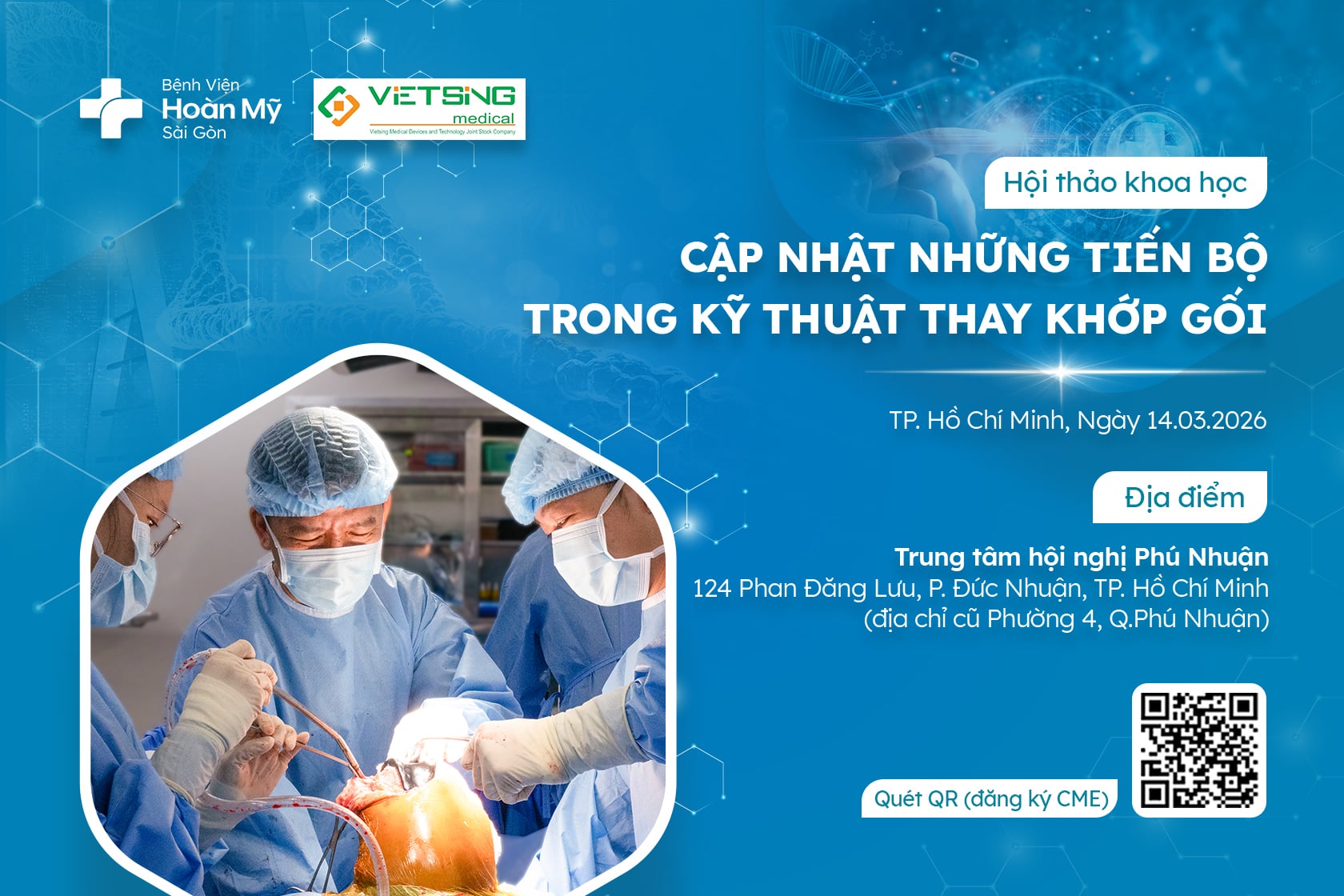
In the context of rapidly advancing high-tech medicine, robotic-assisted surgery has emerged as a breakthrough in knee replacement. Evolving from a supportive role, robots have become an “extended arm” of surgeons, enabling case-by-case customization, optimizing precision in every step, and achieving near-perfect alignment and joint balancing. Particularly in complex cases, severe deformities, or revision surgeries, […]
Special Offers on Health Screening Packages – Take a Proactive Approach to Your Health Today Amid the rising prevalence of chronic diseases, cardiovascular conditions, stroke, and metabolic disorders, regular health check-ups play a vital role in early risk detection, timely intervention, and improving quality of life. With the aim of supporting people in the Mekong Delta region […]
Some New Year gifts are valued not for their appearance, but for the lasting meaning they carry over time – good health and the joy of family gatherings when parents remain strong, healthy, and at peace with their loved ones. Understanding this heartfelt wish of children who always care deeply about their parents’ well-being, Hoan […]
By clicking "Accept All", you consent to the storage of cookies on your device to enhance site navigation, analyze site usage, and assist in our marketing efforts.









 60-60A Phan Xich Long Street, Cau Kieu Ward, Ho Chi Minh City
 Open 24 hours
 28/1 Binh Phuoc B Quarter, An Phu Ward, Ho Chi Minh City
 Open 24 hours
 245 Phan Xich Long Street, Cau Kieu Ward, Ho Chi Minh City
 Monday to Saturday | 07:00 - 16:00
 18 Binh Duong Boulevard, Binh Hoa Ward, Ho Chi Minh City
 Monday to Saturday 07:30 - 16:30. Emergency: 24/7