Cataracts: Causes, Symptoms, and Effective Treatment
Article Table of Contents
Cataracts are one of the most common eye conditions today and remain the leading cause of preventable and treatable blindness. The disease often progresses slowly and silently, especially in older adults, causing many people to delay medical consultation until their vision has significantly deteriorated.
What Are Cataracts?
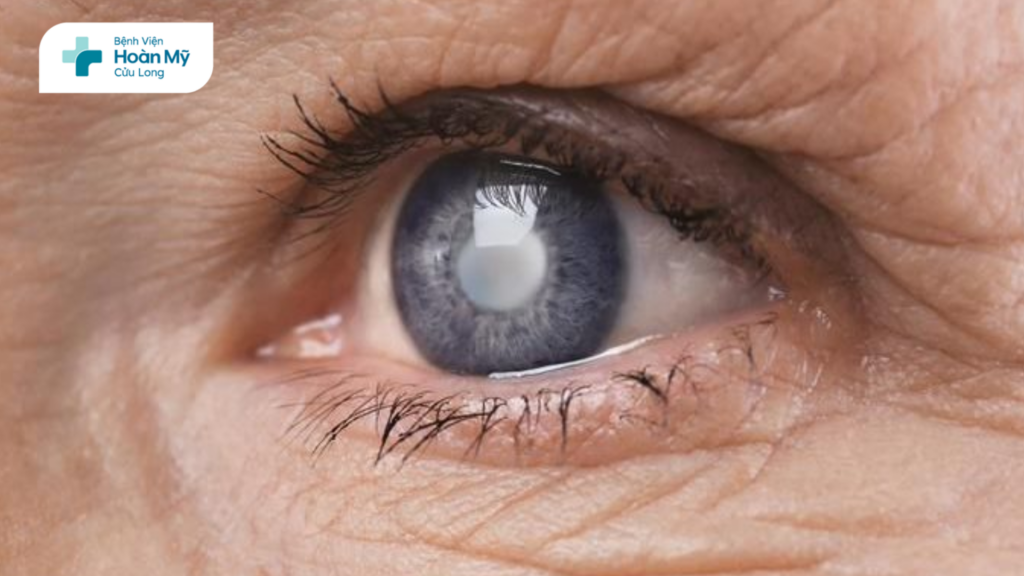
The lens is a transparent structure inside the eye that allows light to pass through and focus on the retina. Cataracts occur when the lens becomes cloudy due to aging or other factors, preventing light from passing through properly. This leads to gradually worsening vision and, if left untreated, may eventually result in blindness.
Causes of Cataracts
Cataracts can develop due to several factors, including:
Aging – the most common cause, typically affecting people over 65
Eye conditions – severe myopia, infections, trauma, or degeneration
Systemic diseases – such as diabetes and hypertension
Congenital cataracts – present at birth
Why Are Cataracts the Leading Cause of Blindness?
According to statistics, the prevalence of blindness in Vietnam is approximately 0.59%, and around 70% of these cases are caused by cataracts. Although cataracts are the most common cause of blindness, they are also highly treatable through surgery when detected early.
Do Patients Usually Seek Care Early or Late?
In reality, many patients seek medical care only when cataracts have progressed to a stage requiring surgery. Common reasons for delayed consultation include:
Assuming blurred vision is simply due to aging
Believing vision loss cannot be treated
Fear of medical examination or surgery
Delay treatment may cause the lens to become too hard, making modern surgical techniques more difficult and increasing the risk of complications while reducing the likelihood of optimal visual recovery.
Can Cataracts Be Treated with Medication?
Currently, no medical treatment can cure or effectively slow the progression of cataracts. Eye drops may provide temporary relief in early stages, but surgery remains the only definitive treatment.
Current Treatment Options for Cataracts
Phacoemulsification (Phaco Surgery)
This is the most modern and commonly used technique today. The cloudy lens is broken into small pieces using ultrasound and removed through a very small incision (less than 3 mm). An artificial intraocular lens is then implanted.
This method is used when patients present late and the cataract has become too hard for Phaco surgery. It requires a larger incision and typically involves a longer recovery period.
Why Do Some Patients Not Fully Recover Vision After Surgery?
Visual outcomes after cataract surgery depend on several factors, such as:
However, with thorough preoperative evaluation and safe Phaco surgery, most patients achieve good visual recovery.
Can Cataracts Recur After Surgery?
Cataracts do not recur after surgery. However, some patients may develop posterior capsule opacification, which can cause blurred vision again. This condition can be easily treated with laser therapy, with about 20% of patients requiring treatment within two years.
Can Children Develop Cataracts?
Yes, congenital cataracts can occur in newborns or young children. Early signs may include:
Poor vision or squinting
Vision not improving with glasses
A white reflex in the pupil when light is shone
Lack of visual tracking by 2–3 months of age
If these signs are noticed, children should be examined by an eye specialist as soon as possible.
Trẻ sơ sinh hoặc trẻ nhỏ vẫn có thể mắc đục thủy tinh thể bẩm sinh. Gia đình có
Eye Care After Cataract Surgery
After surgery, patients should:
Protect the eye from dust and wind
Avoid rubbing the eye
Limit reading, television, and computer use during the first week
Maintain a light, healthy diet and avoid stimulants
Attend follow-up appointments as scheduled and seek care if abnormal symptoms occur
In most cases, vision can fully stabilize within about 8 weeks.
Regular Eye Examinations Help Prevent Blindness
Although cataracts progress silently, they can be effectively treated when detected early. Regular eye examinations, especially for older adults, are essential to protect vision and maintain quality of life.
At Hoan My Cuu Long Hospital, patients can receive comprehensive cataract screening and treatment with experienced specialists and modern surgical techniques to restore vision safely and effectively.
Share
Hoan My Hospital Network
Hoan My Da Nang Hospital
Address: 291 Nguyen Van Linh Street, Thanh Khe Ward, Da Nang City
phone: +84 23 6365 0676
email: [email protected]
A multidisciplinary team at Hoan My Da Nang Hospital recently performed a life-saving emergency surgery, successfully saving both a mother and her premature baby after a severe placental abruption threatened their lives. At 9:00 AM on May 8, 2026, patient K.A. (31 years old, Da Nang City), who was 32 weeks pregnant, presented to Hoan […]
Testicular torsion is a serious urological emergency that requires immediate intervention, particularly within the first six hours of symptom onset. Recently, Hoan My Da Nang Hospital successfully performed an emergency surgery to save the testicle of a 20-year-old patient with testicular torsion, preventing the need for orchiectomy and preserving his reproductive function. Severe Scrotal Pain […]
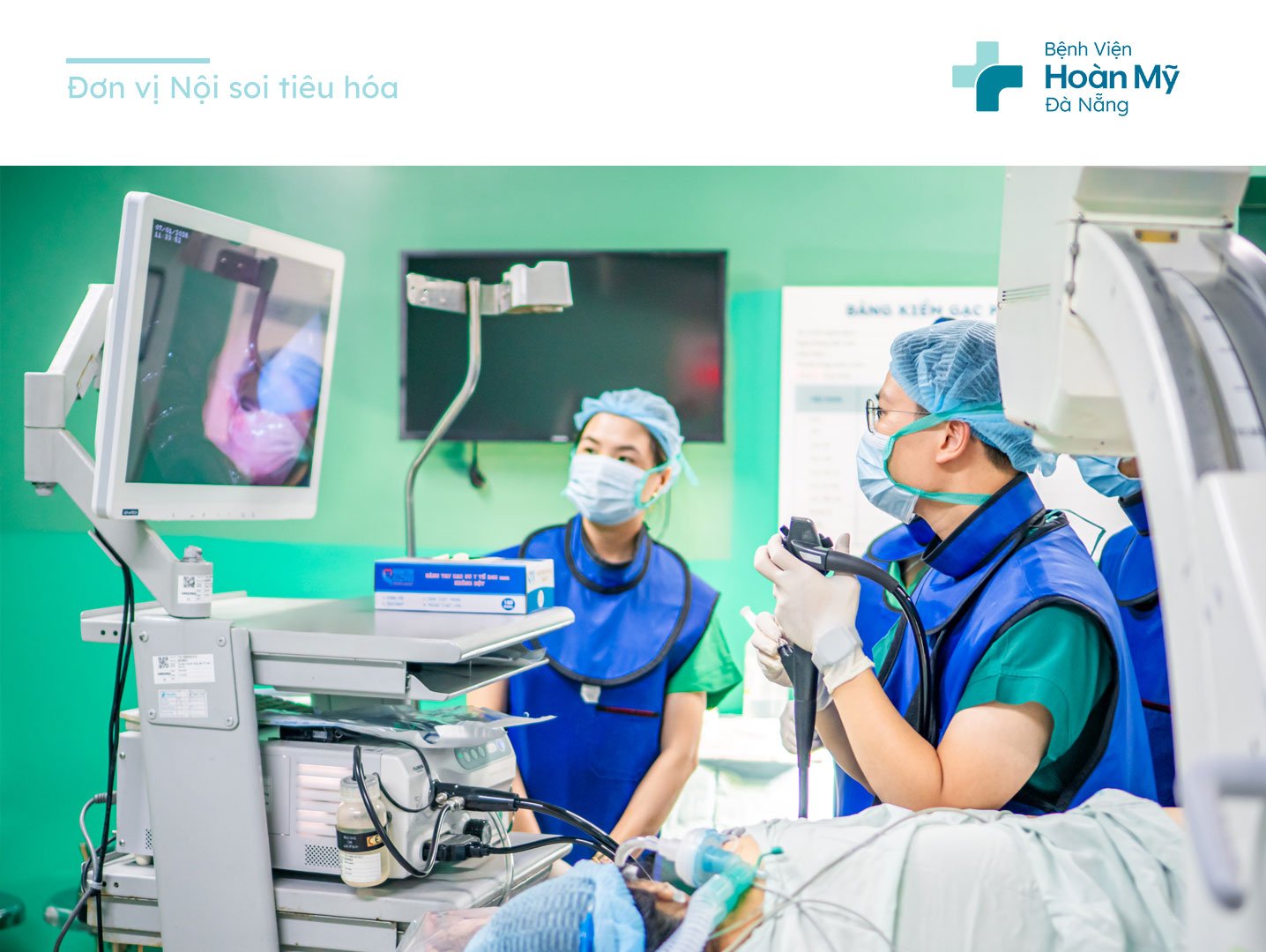
With a strong commitment to continuously improving treatment quality, Hoan My Da Nang Hospital actively adopts advanced medical technologies to deliver optimal clinical outcomes and greater peace of mind for patients. One of the notable achievements in the field of Gastroenterology – Hepatobiliary – Pancreatic care is the implementation of Endoscopic Retrograde Cholangiopancreatography (ERCP), a minimally invasive yet highly effective technique for the treatment of biliary […]
At the age of 67, Mr. N.D.D. was diagnosed with cancer in the lower throat and upper esophagus area. This type of cancer can be difficult to treat if discovered late. It was also the second time he had faced cancer, after being treated for laryngeal (voice box) cancer with surgery and radiation therapy more than 10 years ago. […]
By clicking "Accept All", you consent to the storage of cookies on your device to enhance site navigation, analyze site usage, and assist in our marketing efforts.











 60-60A Phan Xich Long Street, Cau Kieu Ward, Ho Chi Minh City
 Open 24 hours
 28/1 Binh Phuoc B Quarter, An Phu Ward, Ho Chi Minh City
 Open 24 hours
 245 Phan Xich Long Street, Cau Kieu Ward, Ho Chi Minh City
 Monday to Saturday | 07:00 - 16:00
 18 Binh Duong Boulevard, Binh Hoa Ward, Ho Chi Minh City
 Monday to Saturday 07:30 - 16:30. Emergency: 24/7