Type 2 diabetes is a chronic metabolic disorder that occurs when the body does not use insulin effectively – a hormone responsible for transporting glucose from the bloodstream into cells to produce energy. As a result, blood sugar levels remain persistently high, causing damage to many organs in the body.
Let’s join Hoan My Gold PXL Medical Center to learn about proactive prevention and effective treatment methods to better control type 2 diabetes.
How dangerous is type 2 diabetes?
Type 2 diabetes often progresses silently and shows few symptoms in the early stages. If not detected and properly controlled, it can cause serious complications affecting many vital organs, including:
Cardiovascular system: Increased risk of heart attack and atherosclerosis.
Brain: Higher risk of stroke, memory impairment, and early-onset dementia (Alzheimer’s disease).
Eyes: Retinal damage and retinal hemorrhage, which may lead to blindness.
Healthy diet: Limit sugar, refined carbohydrates, and fast food. Prioritize vegetables, fiber-rich foods, fish, and whole grains.
Increase physical activity: Walking, cycling, yoga, aerobics, etc. for at least 150 minutes per week.
Maintain a healthy weight: Losing 5–10% of body weight significantly reduces disease risk.
Do not smoke; limit alcohol consumption.
Regular health check-ups and blood glucose testing, especially if you belong to a high-risk group.
Type 2 diabetes is no longer a disease of the elderly alone. Today, it is rapidly affecting younger populations due to unhealthy and unscientific lifestyles. Therefore, early prevention is a proactive and smart choice to protect long-term health.
This article was medically reviewed by: MSc., MD., Specialist Level II Dinh Thi Xuan Mai, General Internal Medicine – Endocrinology Physician, Hoan My Gold PXL Medical Center
For appointment booking or consultation, please contact our hotline 0901 840 678 or register via the provided link.
Share
Hoan My Hospital Network
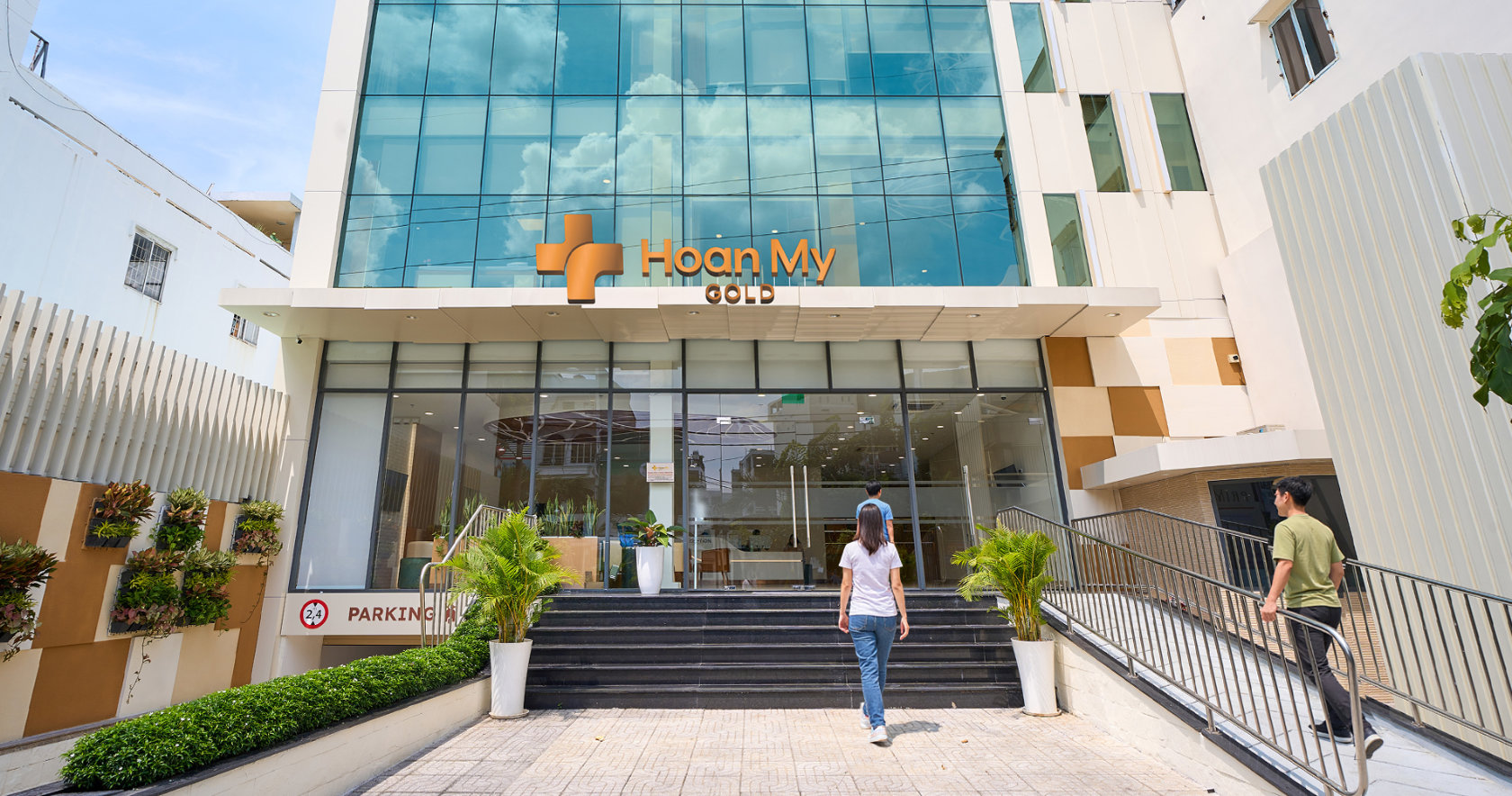
Hoan My Gold PXL Medical Center
Address: 245 Phan Xich Long Street, Cau Kieu Ward, Ho Chi Minh City
phone: 028 3990 3995
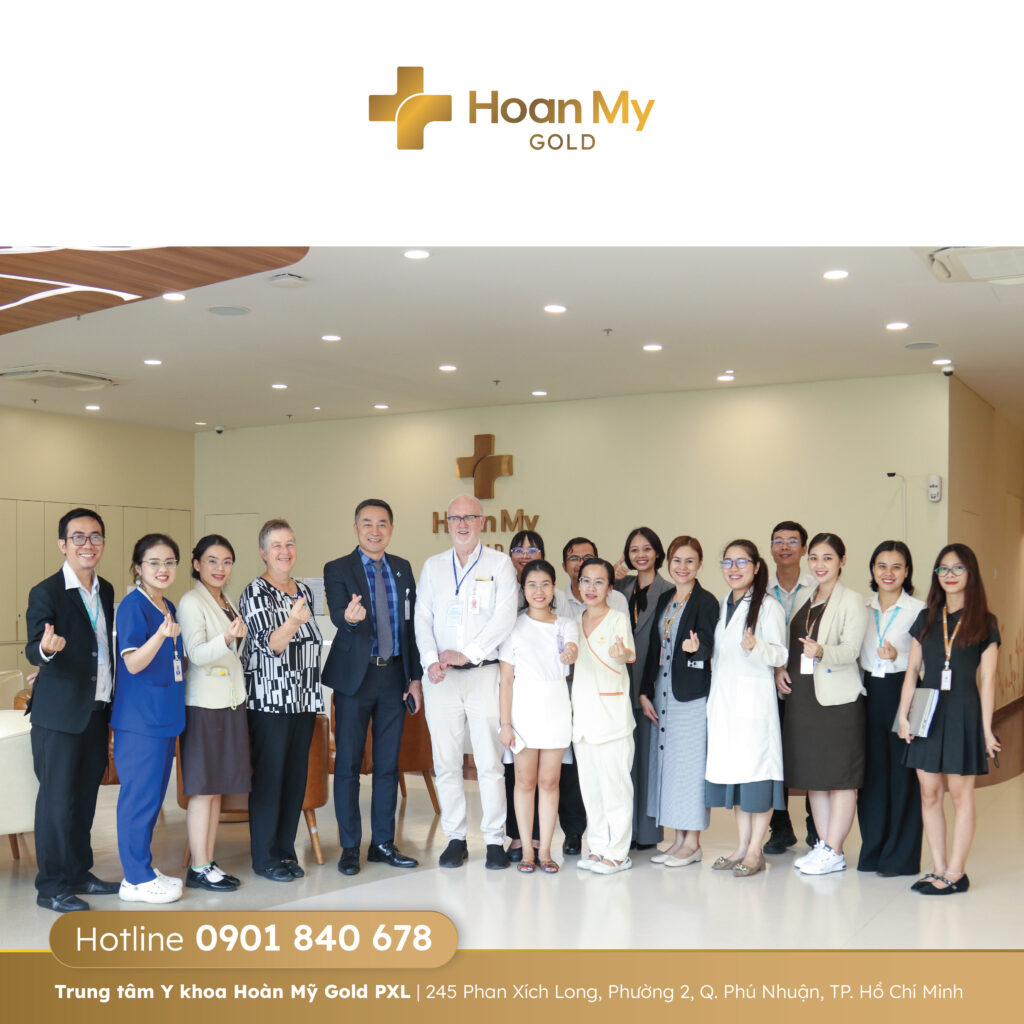
On the afternoon of August 7, 2025, Hoan My Gold PXL Medical Center had the honor of welcoming the healthcare quality assessment delegation operating under the international standards of the Australian Council on Healthcare Standards International (ACHS International – ACHSI). This marks an important milestone in the center’s continuous journey to improve service quality, aiming […]
Community-acquired pneumonia (CAP) is an infection of the lung parenchyma that occurs outside the hospital setting, including inflammation of the alveoli, alveolar ducts and sacs, terminal bronchioles, or the lung interstitium. This is a common cause of death among older adults if not detected and treated early. Causes of community-acquired pneumonia The causative agents may […]
Knee osteoarthritis is a condition in which the cartilage and underlying bone in the knee joint gradually deteriorate over time, causing stiffness, pain, and difficulty in movement. It is the leading cause of joint pain and reduced mobility in middle-aged and elderly individuals. Who is at higher risk of knee osteoarthritis? Early warning signs Diagnosis […]
Starting from June 25, 2025, Hoan My Gold PXL Medical Center – a member of Hoan My Medical Corporation – is honored to welcome Dr. Nguyen Trong Anh, MD, Specialist Level II, a leading expert in orthopedics, arthroscopy, and sports medicine, who will directly provide consultations and treatment for patients with musculoskeletal conditions at the […]
By clicking "Accept All", you consent to the storage of cookies on your device to enhance site navigation, analyze site usage, and assist in our marketing efforts.












 60-60A Phan Xich Long Street, Cau Kieu Ward, Ho Chi Minh City
 Open 24 hours
 245 Phan Xich Long Street, Cau Kieu Ward, Ho Chi Minh City
 Monday to Saturday | 07:00 - 16:00
 18 Binh Duong Boulevard, Binh Hoa Ward, Ho Chi Minh City
 Monday to Saturday 07:30 - 16:30
 F99 Vo Thi Sau Street, Tran Bien Ward, Dong Nai province
 Open 24 hours