Community-acquired pneumonia (CAP) is an infection of the lung parenchyma that occurs outside the hospital setting, including inflammation of the alveoli, alveolar ducts and sacs, terminal bronchioles, or the lung interstitium. This is a common cause of death among older adults if not detected and treated early.
Causes of community-acquired pneumonia
The causative agents may include: bacteria (most commonly Streptococcus pneumoniae), viruses (such as influenza virus, SARS-CoV-2), parasites, or fungi.
Note: Community-acquired pneumonia does not include cases caused by Mycobacterium tuberculosis (tuberculosis).
Risk factors for community-acquired pneumonia
Older adults, especially those aged 65 and above, due to age-related decline in immune function.
Long-term smoking, which damages the lungs and increases susceptibility to infections.
Frequent alcohol abuse, which weakens the lungs’ defense mechanisms.
Underlying medical conditions such as COPD, diabetes mellitus, and cardiovascular diseases.
Immunocompromised individuals: HIV infection, organ transplant recipients, patients undergoing chemotherapy, or long-term corticosteroid use.
Common symptoms to watch out for
Typical symptoms of community-acquired pneumonia include:
Productive cough with yellow or green sputum.
High fever above 38°C, accompanied by chills and shivering.
Shortness of breath, rapid or labored breathing, especially during exertion.
Chest pain, more pronounced when taking deep breaths or coughing.
In older adults, symptoms may be atypical – such as confusion, altered mental status, or unusual fatigue.
Dangerous complications if not treated promptly
Community-acquired pneumonia not only affects respiratory function but may also lead to serious complications impacting both physical and mental health, including:
Sepsis.
Severe pulmonary complications such as pleural effusion, empyema, lung abscess, and respiratory failure.
Extrapulmonary complications such as endocarditis and venous thrombosis.
Effective prevention of community-acquired pneumonia
Receive full vaccination, including seasonal influenza and pneumococcal vaccines, to reduce the risk of pneumonia.
Thoroughly treat infections of the ear, nose, throat, and oral cavity.
Maintain a healthy lifestyle: avoid smoking, limit alcohol consumption, and avoid stimulants to protect the immune system and respiratory tract.
Properly control underlying conditions such as diabetes, COPD, and asthma to reduce the risk of severe complications.
Seek medical attention early when symptoms appear and strictly follow the doctor’s treatment instructions.
Actively prevent infection by washing hands frequently, wearing masks in crowded places, and avoiding close contact with people showing signs of infection.
If you experience any symptoms related to acute sinusitis, please visit a medical facility for timely examination and treatment. Early detection, adequate treatment, and daily sinus hygiene are the best ways to protect your health.
This article was medically reviewed by MSc., MD. Nguyen Dinh Chinh – ENT Specialist, Hoan My Gold PXL Medical Center.
For appointment booking or consultation, please contact the hotline 0901 840 678 or register via the provided link.
Share
Hoan My Hospital Network
Hoan My Gold PXL Medical Center
Address: 245 Phan Xich Long Street, Cau Kieu Ward, Ho Chi Minh City
phone: 028 3990 3995
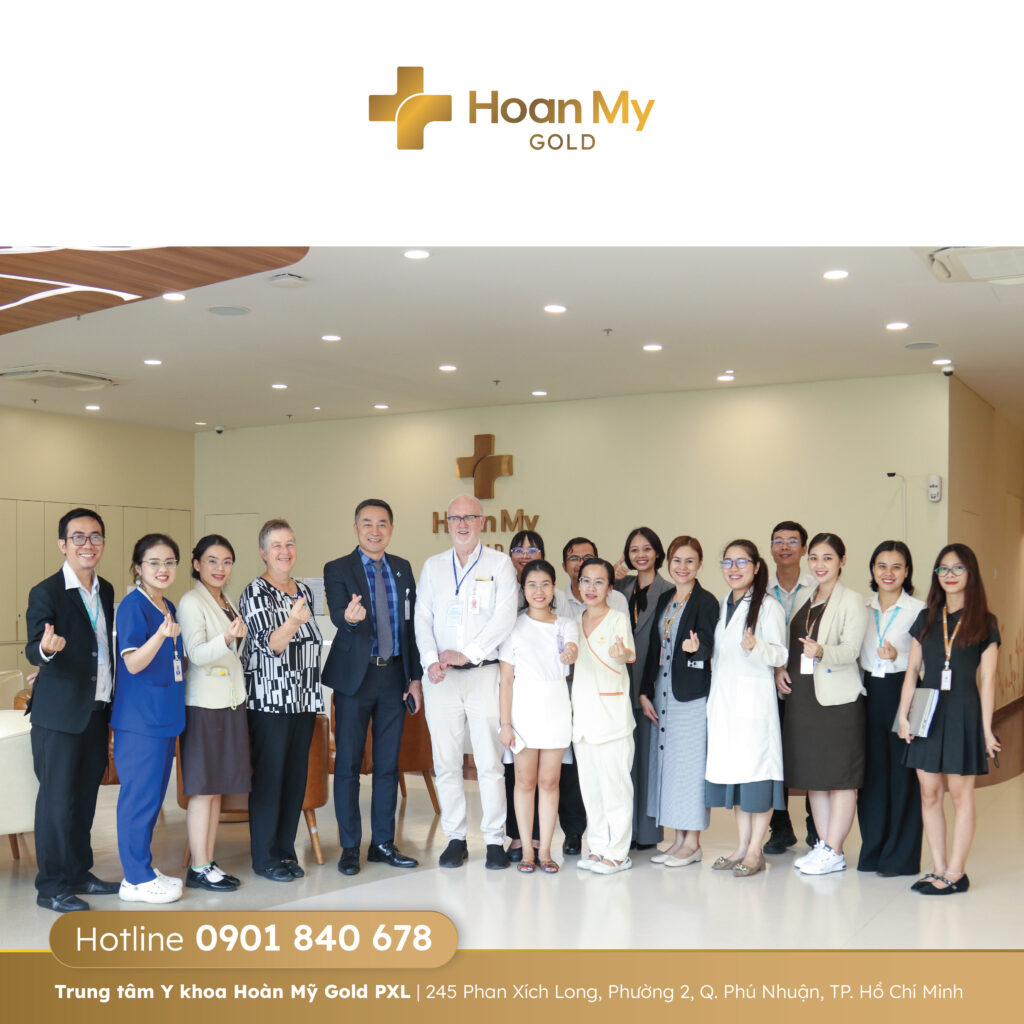
On the afternoon of August 7, 2025, Hoan My Gold PXL Medical Center had the honor of welcoming the healthcare quality assessment delegation operating under the international standards of the Australian Council on Healthcare Standards International (ACHS International – ACHSI). This marks an important milestone in the center’s continuous journey to improve service quality, aiming […]
Knee osteoarthritis is a condition in which the cartilage and underlying bone in the knee joint gradually deteriorate over time, causing stiffness, pain, and difficulty in movement. It is the leading cause of joint pain and reduced mobility in middle-aged and elderly individuals. Who is at higher risk of knee osteoarthritis? Early warning signs Diagnosis […]
Starting from June 25, 2025, Hoan My Gold PXL Medical Center – a member of Hoan My Medical Corporation – is honored to welcome Dr. Nguyen Trong Anh, MD, Specialist Level II, a leading expert in orthopedics, arthroscopy, and sports medicine, who will directly provide consultations and treatment for patients with musculoskeletal conditions at the […]
Vestibular disorders are conditions caused by dysfunction of the vestibular system located in the inner ear. The condition leads to symptoms such as dizziness, loss of balance, and blurred vision, which affect daily activities and increase the risk of falls and injuries. Let Hoan My Gold PXL Medical Center guide you through proactive prevention measures […]
By clicking "Accept All", you consent to the storage of cookies on your device to enhance site navigation, analyze site usage, and assist in our marketing efforts.












 60-60A Phan Xich Long Street, Cau Kieu Ward, Ho Chi Minh City
 Open 24 hours
 245 Phan Xich Long Street, Cau Kieu Ward, Ho Chi Minh City
 Monday to Saturday | 07:00 - 16:00
 18 Binh Duong Boulevard, Binh Hoa Ward, Ho Chi Minh City
 Monday to Saturday 07:30 - 16:30
 F99 Vo Thi Sau Street, Tran Bien Ward, Dong Nai province
 Open 24 hours