Knee Osteoarthritis – Don’t Let Pain Limit Your Life
Article Table of Contents
Knee osteoarthritis is a condition in which the cartilage and underlying bone in the knee joint gradually deteriorate over time, causing stiffness, pain, and difficulty in movement. It is the leading cause of joint pain and reduced mobility in middle-aged and elderly individuals.
Who is at higher risk of knee osteoarthritis?
People over 50 years old
Postmenopausal women
Overweight or obese individuals
People who perform heavy labor, squat frequently, or climb stairs regularly
Those with a history of knee injury or joint deformities
Athletes or individuals involved in high-impact sports
Early warning signs
Knee pain when walking, standing for long periods, or going up and down stairs
Joint stiffness in the morning or after prolonged sitting
Crunching or clicking sounds when moving the knee
Mild knee swelling; thigh muscle wasting in long-standing cases
In later stages: pain even at rest, difficulty walking, limping
Diagnosis of knee osteoarthritis
Clinical examination: Based on pain, joint deformity, and limited range of motion
Knee X-ray: To assess the degree of degeneration (joint space narrowing, bone spurs, etc.)
MRI: If detailed evaluation of cartilage or ligament damage is needed
Blood tests: To rule out rheumatoid arthritis or other conditions
Surgery: In severe cases where other treatments are ineffective, surgery may be considered to address the root cause of the problem.
Treatment and management of knee osteoarthritis
Although damaged cartilage cannot be fully restored, timely treatment can significantly slow disease progression and relieve pain.
Non-pharmacological treatment
Weight loss if overweight
Physical therapy and gentle exercises (cycling, yoga, swimming)
Use of braces, knee supports, or walking aids to reduce joint load
Avoid poor postures such as squatting, sitting cross-legged, or excessive stair climbing
Pharmacological treatment (as prescribed by a doctor)
Maintain a healthy diet rich in calcium, vitamin D, and omega-3; drink enough water and avoid fast food and high-salt foods
Maintain a healthy body weight
Exercise regularly and correctly
Avoid overloading the knees: limit squatting and heavy lifting
Seek medical attention early if you experience persistent knee pain. Do not wait until the condition becomes severe before seeking treatment.
This article was medically reviewed by MSc, MD, Specialist Level II Dinh Thi Xuan Mai – General Internal Medicine & Endocrinology Physician, Hoan My Gold PXL Medical Center.
For appointment booking or consultation, please contact 0901 840 678 or register via the provided link.
Share
Hoan My Hospital Network
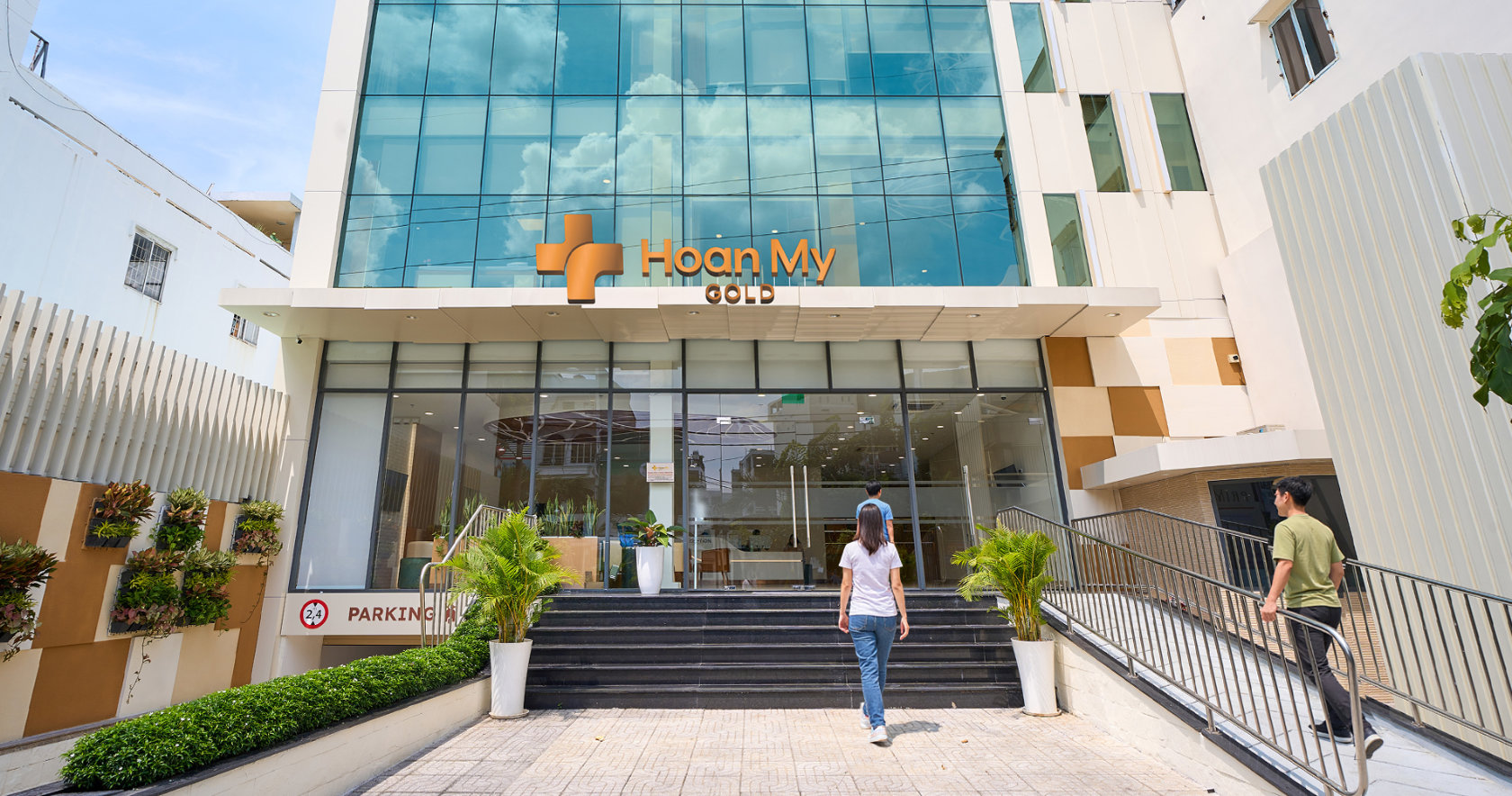
Hoan My Gold PXL Medical Center
Address: 245 Phan Xich Long Street, Cau Kieu Ward, Ho Chi Minh City
phone: 028 3990 3995
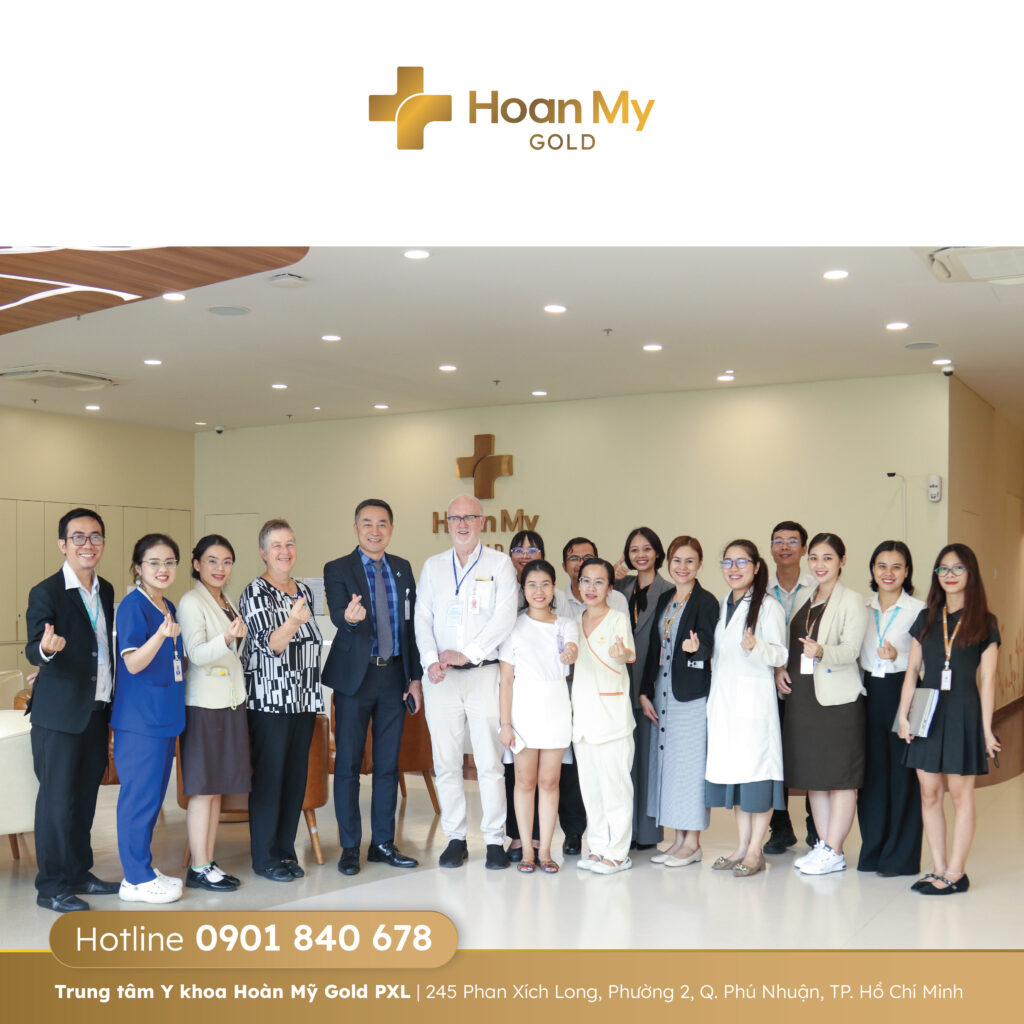
On the afternoon of August 7, 2025, Hoan My Gold PXL Medical Center had the honor of welcoming the healthcare quality assessment delegation operating under the international standards of the Australian Council on Healthcare Standards International (ACHS International – ACHSI). This marks an important milestone in the center’s continuous journey to improve service quality, aiming […]
Community-acquired pneumonia (CAP) is an infection of the lung parenchyma that occurs outside the hospital setting, including inflammation of the alveoli, alveolar ducts and sacs, terminal bronchioles, or the lung interstitium. This is a common cause of death among older adults if not detected and treated early. Causes of community-acquired pneumonia The causative agents may […]
Starting from June 25, 2025, Hoan My Gold PXL Medical Center – a member of Hoan My Medical Corporation – is honored to welcome Dr. Nguyen Trong Anh, MD, Specialist Level II, a leading expert in orthopedics, arthroscopy, and sports medicine, who will directly provide consultations and treatment for patients with musculoskeletal conditions at the […]
Vestibular disorders are conditions caused by dysfunction of the vestibular system located in the inner ear. The condition leads to symptoms such as dizziness, loss of balance, and blurred vision, which affect daily activities and increase the risk of falls and injuries. Let Hoan My Gold PXL Medical Center guide you through proactive prevention measures […]
By clicking "Accept All", you consent to the storage of cookies on your device to enhance site navigation, analyze site usage, and assist in our marketing efforts.












 60-60A Phan Xich Long Street, Cau Kieu Ward, Ho Chi Minh City
 Open 24 hours
 245 Phan Xich Long Street, Cau Kieu Ward, Ho Chi Minh City
 Monday to Saturday | 07:00 - 16:00
 18 Binh Duong Boulevard, Binh Hoa Ward, Ho Chi Minh City
 Monday to Saturday 07:30 - 16:30
 F99 Vo Thi Sau Street, Tran Bien Ward, Dong Nai province
 Open 24 hours