Things You Need to Know About Tumors of the Urinary System
Article Table of Contents
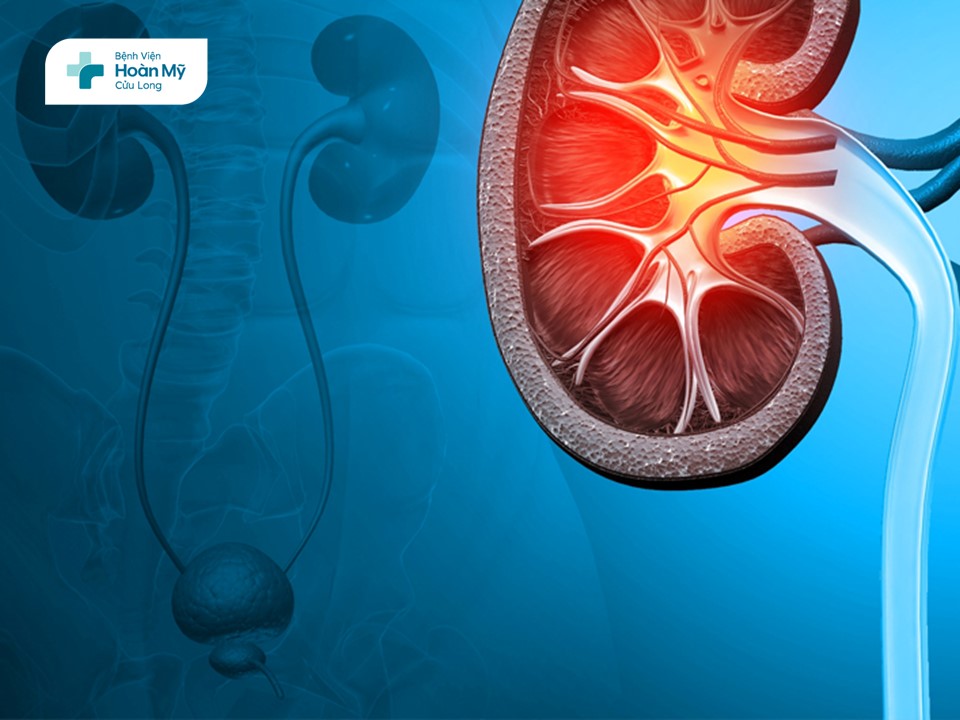
Tumors of the urinary system are abnormal growths of cells in organs of the urinary tract, including the kidneys, ureters, bladder, and urethra. These tumors may be benign or malignant (cancerous) and can affect the body’s ability to filter blood and excrete waste. Urinary system tumors can be classified based on their anatomical location, whether they are benign or malignant, and their epidemiological characteristics.
Kidney Tumors
Kidney tumors may be benign (such as renal cysts or angiomyolipomas) or malignant, most commonly renal cell carcinoma (RCC). Benign cystic kidney tumors account for approximately 80.6% of cases, while malignant tumors account for 19.4%. Cystic renal cell carcinoma is relatively rare, representing about 3–15% of all renal cell carcinoma cases.
Renal Pelvis and Ureter Cancer
Cancers of the renal pelvis and ureter account for only 5–10% of all urothelial cancers of the urinary tract (including the renal calyces, renal pelvis, ureters, bladder, and urethra), with approximately 1–2 cases per 100,000 people.
Bladder Tumors
Bladder tumors may be benign (such as bladder polyps) or malignant. Transitional cell carcinoma accounts for more than 90% of bladder cancer cases. Bladder cancer is the most common malignant disease of the urinary tract. In 2018, there were approximately 549,393 newly diagnosed cases and 199,922 deaths worldwide. In Vietnam, bladder cancer most commonly affects adults aged 40–70 years (78%) and occurs more frequently in men than in women.
Urethral Tumors
Malignant tumors of the urethra are rare but may be associated with squamous cell carcinoma.
Prostate Conditions
Benign prostatic hyperplasia (BPH) and prostate cancer are two common conditions affecting men.
In Vietnam, prostate cancer ranked 5th in incidence and 7th in mortality, with 6,248 new cases and 2,628 deaths in 2020.
Benign prostatic hyperplasia increases with age, affecting approximately 50% of men at age 60, 70% at age 70, and 90% at age 90.
Globally, prostate cancer is the second most commonly diagnosed cancer in men, with 1,414,259 new cases, and ranks fifth in cancer-related mortality with 375,304 deaths.
Testicular Cancer
Testicular cancer is the most common solid tumor in men aged 15–35 years. Major risk factors include:
Undescended testicle (cryptorchidism): increases the risk by 3.5–11 times compared to the general population.
Testicular atrophy or abnormal development.
Family history of testicular cancer.
The proportion of testicular cancer associated with undescended testes ranges from 3.5% to 14.5%.
Among common cancers, urothelial carcinoma ranks 7th in men and 10th overall. Within this group, prostate and bladder cancers are more common than cancers of the kidney, ureter, or testis.
Major risk factors include male sex, older age, family history of cancer, genetic mutations, and exposure to toxic chemicals. If not detected and treated early, tumors of the urinary system may progress to cancer, leading to high mortality rates and significant medical and economic burdens.
Therefore, regular screening for urinary system tumors is strongly recommended for individuals with risk factors to enable early detection, timely treatment, and prevention of cancer progression.
Share
Hoan My Hospital Network
Hoan My Cuu Long Hospital
Address: Lot 20, Vo Nguyen Giap Street (Quang Trung), Phu Thu Ward, Can Tho City
phone: 0292 3917 355
email: [email protected]
Intussusception is a common pediatric surgical emergency that occurs when one segment of the intestine slides into another segment, like a telescope.. Currently, the exact cause of intussusception in children has not been clearly identified. However, studies suggest that this condition may be associated with abnormalities in intestinal peristalsis (the movement of the muscles to […]
Chronic kidney disease (CKD) is currently a major global health burden with high economic costs for healthcare systems. In Vietnam, approximately 0.012% of the population has end-stage chronic kidney disease, and this rate is increasing by 8.1% per year, with about 21,000 people receiving renal replacement therapy. Therefore, providing health education and counseling to maintain […]
Heat stroke, also known as sunstroke, is a condition in which the body temperature rises excessively after prolonged exposure to high temperatures during daily activities or work in hot environments. When body temperature increases significantly, it can disrupt the metabolism and function of organs, and may even become life-threatening. Common Causes of Heat Stroke Symptoms […]
Definition The eardrum (tympanic membrane) is a thin, oval-shaped membrane measuring approximately 8–10 mm in diameter and less than 0.1 mm in thickness. It is located at the end of the external auditory canal and separates the outer ear from the middle ear. A perforated eardrum is a condition in which the tympanic membrane is […]
By clicking "Accept All", you consent to the storage of cookies on your device to enhance site navigation, analyze site usage, and assist in our marketing efforts.












 60-60A Phan Xich Long Street, Cau Kieu Ward, Ho Chi Minh City
 Open 24 hours
 245 Phan Xich Long Street, Cau Kieu Ward, Ho Chi Minh City
 Monday to Saturday | 07:00 - 16:00
 18 Binh Duong Boulevard, Binh Hoa Ward, Ho Chi Minh City
 Monday to Saturday 07:30 - 16:30
 F99 Vo Thi Sau Street, Tran Bien Ward, Dong Nai province
 Open 24 hours