Pertussis (Whooping Cough) and Preventive Measures
Article Table of Contents
Global and Vietnam Epidemiological Situation
Global situation
Pertussis (Whooping Cough) is a common disease worldwide, especially in children. Before the introduction of vaccines, outbreaks occurred every 3–4 years in many countries. Thanks to vaccination and improved living conditions, the incidence decreased significantly (by 100–150 times) by 1970.
However, during the 1980s–1990s, the number of cases began to rise again. Specifically, from 1992 to 1994, up to 15,286 cases were reported, with a mortality rate of 0.2%. Notably, 50% of these cases had not been vaccinated. Epidemiological studies also indicate that the actual number of cases is much higher than reported, and the protective effect of the whole-cell pertussis vaccine may decline rapidly over time.
In some countries such as the United Kingdom and Sweden, the incidence has increased again due to a decline in vaccination coverage.
Situation in Vietnam
Pertussis is widespread throughout Vietnam. Before the Expanded Program on Immunization (EPI), the disease frequently caused outbreaks due to its high transmissibility. During epidemics, the disease was severe and associated with a high mortality rate, especially in children under 5 years old and malnourished children, who are more susceptible to complications such as pneumonia or bronchopneumonia.
Causative agent
The causative agent is Bordetella pertussis, which causes disease in humans. The bacterium is killed within one hour by heat, direct sunlight, or common disinfectants.
Immunosuppression and smoking are also considered factors that worsen pertussis symptoms and increase hospitalization rates. In patients with pre-existing asthma or chronic obstructive pulmonary disease (COPD), symptoms tend to be more severe.
Clinical manifestations
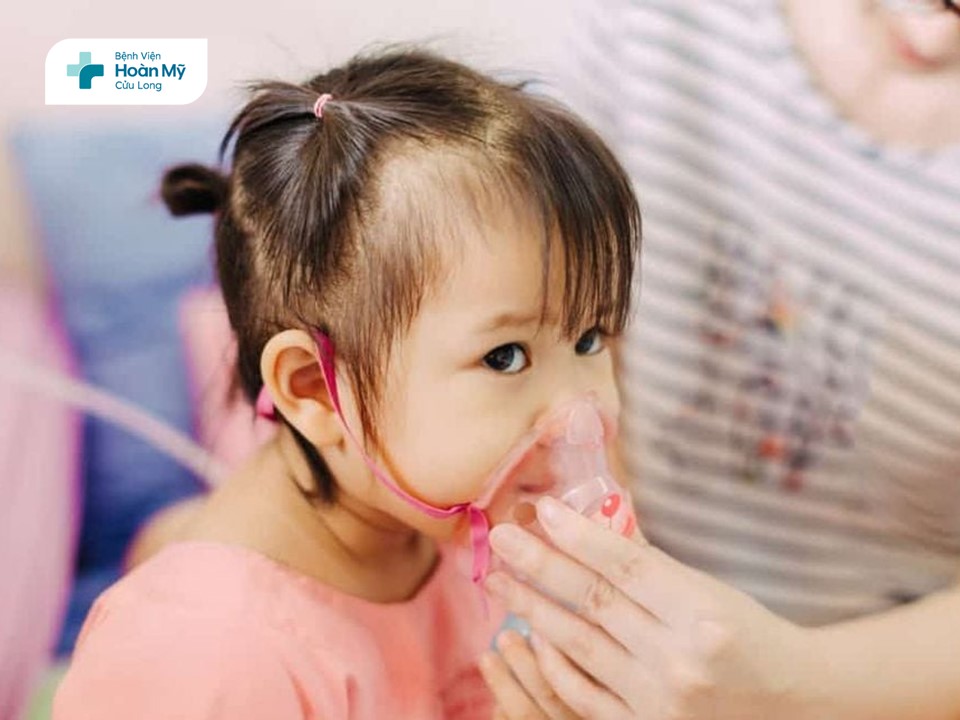
The disease may begin with no fever or mild fever, upper respiratory catarrh, fatigue, loss of appetite, and cough. The cough gradually worsens and develops into paroxysmal coughing within 1–2 weeks, lasting 1–2 months or longer. The coughing fits are characteristic: the child coughs violently and uncontrollably, followed by a high-pitched “whoop” sound during inhalation. At the end of each coughing episode, a large amount of clear sputum is produced, often followed by vomiting. After each episode, the child appears exhausted, sweaty, and breathes rapidly. Apnea may occur in young children.
Mode of transmission
Transmission occurs through direct respiratory contact with secretions from the nose and throat of infected patients during coughing or sneezing. The disease is highly contagious shortly after exposure to infected droplets, especially among people living in enclosed environments for long periods such as households and schools. The infection rate among household contacts is 90-100%.
Complications
Common complications in young children include bronchitis, bronchopneumonia due to secondary infection, prolonged coughing, and apnea (temporary pause in breathing), which is the most frequent and potentially fatal complication, especially in children under 1 year of age.
Other possible complications include intussusception, hernia, and rectal prolapse. Severe cases may develop alveolar rupture, pneumomediastinum, or pneumothorax. Encephalitis (0.1%) is a serious complication with high rates of mortality and long-term sequelae.
Prevention of pertussis
Vaccination remains the most effective and proactive preventive measure. Several combination vaccines can protect against pertussis:
Infanrix Hexa (pertussis, diphtheria, tetanus, polio, hepatitis B, and Haemophilus influenzae type b – Hib)
ComBe Five (pertussis, diphtheria, tetanus, hepatitis B, Hib)
Tetraxim (pertussis, diphtheria, tetanus, polio)
Adacel (pertussis, diphtheria, tetanus)
Boostrix (pertussis, diphtheria, tetanus)
DPT (pertussis, diphtheria, tetanus)
Tdap (pertussis, diphtheria, tetanus)
Homes, daycare centers, and classrooms should be well ventilated, clean, and adequately lit.
In areas with previous pertussis outbreaks, surveillance should be strengthened to detect early cases with typical coughing fits, especially during the expected epidemic cycle.
Important notes
Booster vaccination is recommended for preschool children (4–7 years old) and then every 10 years thereafter.
Pregnant women should receive one dose of Tdap between weeks 27–36 of pregnancy to protect newborns from pertussis from birth.
Vaccination is recommended for individuals with underlying conditions such as asthma, COPD, or obesity, as they have a higher risk of infection or severe exacerbations.
Share
Hoan My Hospital Network
Hoan My Cuu Long Hospital
Address: Lot 20, Vo Nguyen Giap Street (Quang Trung), Phu Thu Ward, Can Tho City
phone: 0292 3917 355
email: [email protected]
Intussusception is a common pediatric surgical emergency that occurs when one segment of the intestine slides into another segment, like a telescope.. Currently, the exact cause of intussusception in children has not been clearly identified. However, studies suggest that this condition may be associated with abnormalities in intestinal peristalsis (the movement of the muscles to […]
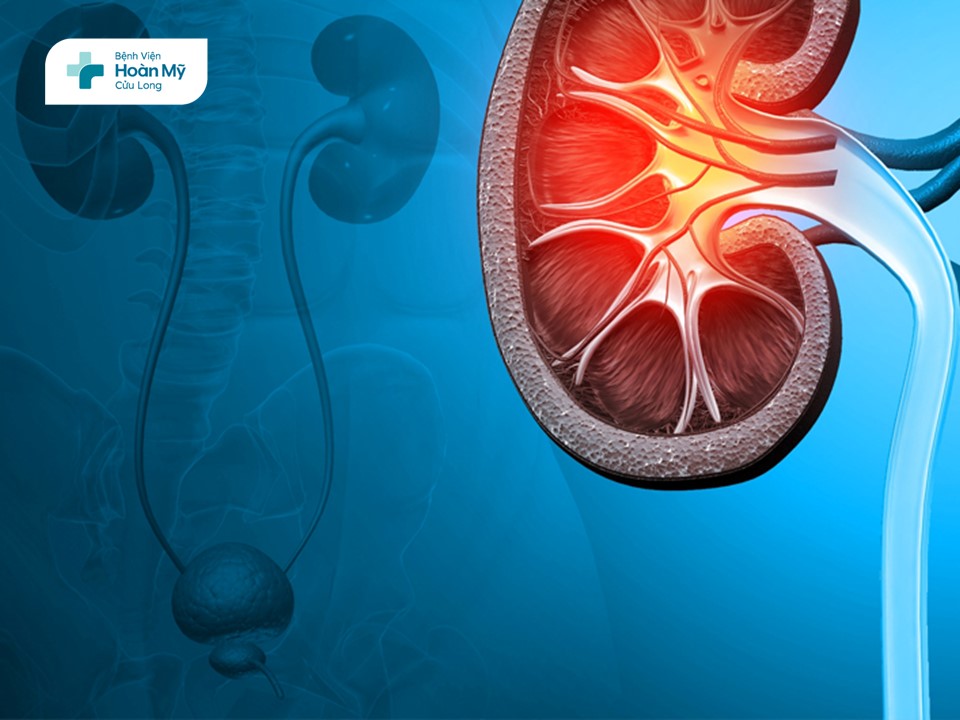
Tumors of the urinary system are abnormal growths of cells in organs of the urinary tract, including the kidneys, ureters, bladder, and urethra. These tumors may be benign or malignant (cancerous) and can affect the body’s ability to filter blood and excrete waste. Urinary system tumors can be classified based on their anatomical location, whether […]
Chronic kidney disease (CKD) is currently a major global health burden with high economic costs for healthcare systems. In Vietnam, approximately 0.012% of the population has end-stage chronic kidney disease, and this rate is increasing by 8.1% per year, with about 21,000 people receiving renal replacement therapy. Therefore, providing health education and counseling to maintain […]
Heat stroke, also known as sunstroke, is a condition in which the body temperature rises excessively after prolonged exposure to high temperatures during daily activities or work in hot environments. When body temperature increases significantly, it can disrupt the metabolism and function of organs, and may even become life-threatening. Common Causes of Heat Stroke Symptoms […]
By clicking "Accept All", you consent to the storage of cookies on your device to enhance site navigation, analyze site usage, and assist in our marketing efforts.










 60-60A Phan Xich Long Street, Cau Kieu Ward, Ho Chi Minh City
 Open 24 hours
 245 Phan Xich Long Street, Cau Kieu Ward, Ho Chi Minh City
 Monday to Saturday | 07:00 - 16:00
 18 Binh Duong Boulevard, Binh Hoa Ward, Ho Chi Minh City
 Monday to Saturday 07:30 - 16:30
 F99 Vo Thi Sau Street, Tran Bien Ward, Dong Nai province
 Open 24 hours