How to Prevent Heat Stroke and Sunstroke in Summer
Article Table of Contents
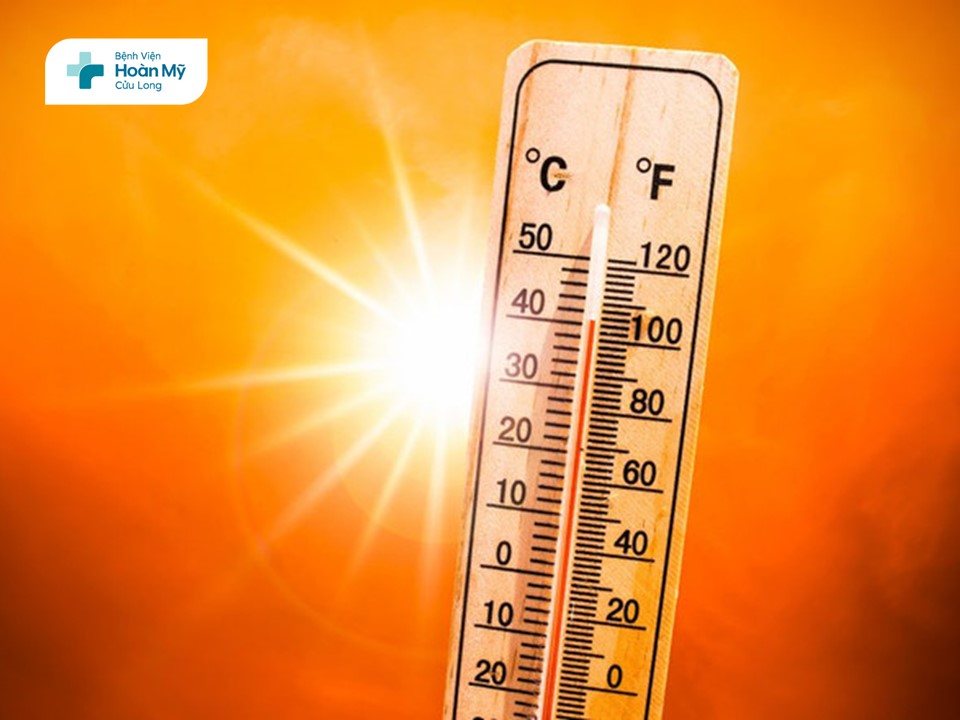
Heat stroke, also known as sunstroke, is a condition in which the body temperature rises excessively after prolonged exposure to high temperatures during daily activities or work in hot environments. When body temperature increases significantly, it can disrupt the metabolism and function of organs, and may even become life-threatening.
Common Causes of Heat Stroke
Working or living in hot environments
Dehydration due to insufficient fluid intake to replace sweat loss
Not using sun protection such as face masks, long-sleeved clothing, or gloves
Symptoms of Heat Stroke
People with heat stroke commonly experience the following:
High body temperature: A core body temperature of 40°C (104°F) or higher is a key sign of heat stroke.
Changes in mental status and behavior: Confusion, agitation, slurred speech, delirium, seizures, or coma may occur.
Excessive sweating: This is common in exertional heat stroke. In heat stroke caused by hot weather, the skin is often hot and dry.
Nausea and vomiting
Headache
Flushed or reddish skin
Rapid breathing: Breathing becomes fast and shallow.
Rapid heart rate: High body temperature puts stress on the heart, significantly increasing the pulse rate.
Heat stroke requires emergency medical care. Without prompt treatment, it may cause damage to the brain, heart, kidneys, muscles, and other organs, and can lead to severe complications or even death.
Preventing Heat Stroke and Sunstroke in Summer
When the heat index is high, it is best to stay in cool, well-ventilated environments. If you must go outside in hot weather, follow these recommendations:
Wear light, loose-fitting, light-colored clothing and a wide-brimmed hat to help cool the body.
Protect your skin and apply sunscreen when outdoors in strong sunlight.
Drink plenty of water to stay hydrated and maintain stable body temperature. Fruit juices may also help reduce body heat. Daily fluid intake depends on physical condition and activity level, but should be at least 1,500–2,000 ml per day. Drink regularly, even when not feeling thirsty.
Avoid beverages containing caffeine or alcohol, as they can worsen dehydration. Do not take salt tablets or oral rehydration salts without medical advice.
If working in hot environments, schedule appropriate work–rest periods. Avoid continuous work for many hours, and ensure adequate water intake. Rest every 45–60 minutes in a cool place for 10–15 minutes.
Gradually acclimatize to hot weather for several weeks before engaging in prolonged outdoor activities.
Do not shower immediately after returning from outdoor heat, as sudden changes in body temperature can be dangerous and may lead to stroke.
When using air conditioning, do not set the temperature too low (below 25°C) to avoid sudden temperature changes when going outdoors, especially for children and older adults who have poorer heat regulation and adaptability.
In cases where fluid intake must be restricted due to medical conditions, consult a physician to determine the appropriate amount of water to drink.
Limit outdoor activities during extreme heat. Keep indoor spaces cool by closing curtains and blocking direct sunlight during the hottest time of day.
Never leave children or anyone else in a parked, turned-off car during hot weather, even for a short time, as the temperature inside the vehicle can rise by more than 11°C within just 10 minutes.
Share
Hoan My Hospital Network
Hoan My Cuu Long Hospital
Address: Lot 20, Vo Nguyen Giap Street (Quang Trung), Phu Thu Ward, Can Tho City
phone: 0292 3917 355
email: [email protected]
Intussusception is a common pediatric surgical emergency that occurs when one segment of the intestine slides into another segment, like a telescope.. Currently, the exact cause of intussusception in children has not been clearly identified. However, studies suggest that this condition may be associated with abnormalities in intestinal peristalsis (the movement of the muscles to […]
Tumors of the urinary system are abnormal growths of cells in organs of the urinary tract, including the kidneys, ureters, bladder, and urethra. These tumors may be benign or malignant (cancerous) and can affect the body’s ability to filter blood and excrete waste. Urinary system tumors can be classified based on their anatomical location, whether […]
Chronic kidney disease (CKD) is currently a major global health burden with high economic costs for healthcare systems. In Vietnam, approximately 0.012% of the population has end-stage chronic kidney disease, and this rate is increasing by 8.1% per year, with about 21,000 people receiving renal replacement therapy. Therefore, providing health education and counseling to maintain […]
Definition The eardrum (tympanic membrane) is a thin, oval-shaped membrane measuring approximately 8–10 mm in diameter and less than 0.1 mm in thickness. It is located at the end of the external auditory canal and separates the outer ear from the middle ear. A perforated eardrum is a condition in which the tympanic membrane is […]
By clicking "Accept All", you consent to the storage of cookies on your device to enhance site navigation, analyze site usage, and assist in our marketing efforts.










 60-60A Phan Xich Long Street, Cau Kieu Ward, Ho Chi Minh City
 Open 24 hours
 245 Phan Xich Long Street, Cau Kieu Ward, Ho Chi Minh City
 Monday to Saturday | 07:00 - 16:00
 18 Binh Duong Boulevard, Binh Hoa Ward, Ho Chi Minh City
 Monday to Saturday 07:30 - 16:30
 F99 Vo Thi Sau Street, Tran Bien Ward, Dong Nai province
 Open 24 hours