Health Education for Patients with Chronic Kidney Disease
Article Table of Contents
Chronic kidney disease (CKD) is currently a major global health burden with high economic costs for healthcare systems. In Vietnam, approximately 0.012% of the population has end-stage chronic kidney disease, and this rate is increasing by 8.1% per year, with about 21,000 people receiving renal replacement therapy. Therefore, providing health education and counseling to maintain and improve knowledge for patients and their families is both essential and critically important at present.
What is Chronic Kidney Failure?
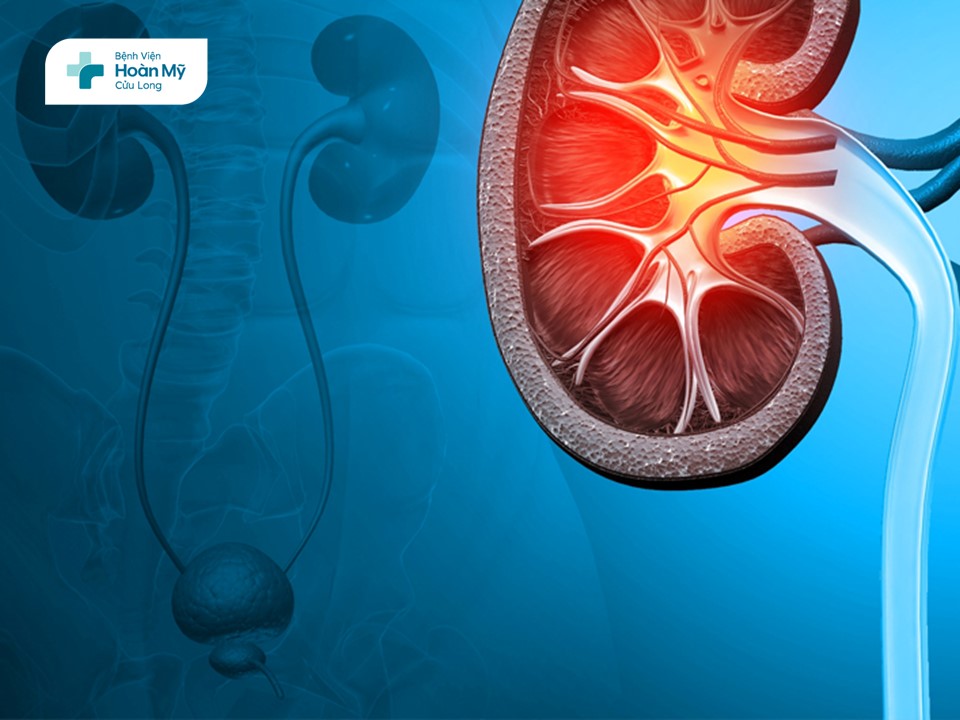
Chronic kidney disease (CKD) is defined as abnormalities of kidney structure or function lasting for more than 3 months, regardless of the cause, with implications for a patient’s health.
CKD is identified by:
Kidney damage lasting longer than 3 months, demonstrated by structural or functional abnormalities, with or without reduced glomerular filtration rate (GFR), manifested by:
GFR < 60 mL/min/1.73 m² for more than 3 months, with or without evidence of kidney damage.
Stages of Chronic Kidney Disease
Based on glomerular filtration rate or estimated creatinine clearance (Cockcroft–Gault formula):
Stage
Description
GFR (mL/min/1.73 m²)
1
Kidney damage with normal or increased GFR
>=90
2
Kidney damage with mildly decreased GFR
89
3
Moderately decreased GFR
30-59
4
Severely decreased GFR
29
5
Kidney failure
< 15 or dialysis
Chronic kidney failure usually progresses silently and is often not detected until the disease has advanced. Its symptoms are often nonspecific and can easily be confused with those of other diseases.
Causes of Chronic Kidney Failure
The three main causes are:
Glomerular diseases
Hypertension
Diabetes
Other causes include:
Renal vascular diseases
Tubulointerstitial kidney diseases
Urinary tract diseases
Urinary tract infections
Urinary tract obstruction
Urinary stones
Nephrotoxic drugs
Obesity
Common Symptoms
Weight loss, nausea, vomiting
Fatigue, headache
Frequent hiccups
Itching
Increased or decreased urine output, nocturia (need to wake up during the night to urinate)
Generalized edema, easy bruising or bleeding
Vomiting blood, black stools
Ammonia-like breath odor
Drowsiness, lethargy
Skin hyperpigmentation
Muscle cramps, spasms
Treatment Approach
Good control of the underlying causes to reduce factors that impair kidney function
Slowing the progression of kidney failure
Prevention and treatment of complications
Treatment of comorbid conditions
Avoidance of nephrotoxic drugs and medications affecting renal hemodynamics
Preparation for renal replacement therapies
Care and Monitoring
Monitor vital signs and body weight
Control blood pressure
Control blood glucose
Monitor 24-hour urine volume, color, and characteristics
Observe stool color and characteristics
Monitor for abnormal signs
Nutrition for Patients with Chronic Kidney Failure
Energy requirement: 25–35 kcal/kg/day, depending on age, sex, physical activity, body composition, disease stage, and comorbidities or acute conditions.
Control intake of protein, fat, potassium; restrict sodium and phosphate.
Ensure adequate intake of four essential nutrient groups: carbohydrates, proteins, fats, vitamins, and minerals.
Daily fluid intake should equal urine output in 24 hours plus 300–500 ml.
Avoid red meat, seafood, animal skin, and organ meats. Increase intake of foods rich in vitamins and minerals to protect cells, support tissue repair, maintain electrolyte balance, reduce acidosis, provide sufficient calcium, and limit phosphate.
Limit salt intake to control blood pressure and preserve kidney function.
Limit high-potassium foods such as dried fruits, durian, apricots, oranges, bananas, coconut water, etc.
Prevention of Chronic Kidney Disease
Since chronic kidney failure cannot be completely cured, the best strategy is prevention through healthy lifestyle habits:
Avoid excessive alcohol consumption
Control blood pressure and blood glucose
Exercise regularly and eat a healthy diet
Maintain a healthy body weight
Use over-the-counter painkillers cautiously (some may harm the kidneys if used improperly)
Do not smoke
Follow-up and Monitoring
Attend monthly follow-up visits as scheduled
Take medications exactly as prescribed
Visit the appropriate medical specialty
Do not stop, add, or change medication doses without medical advice
Monitor for abnormal symptoms such as fatigue, dizziness, nausea, loss of appetite, pallor, edema, shortness of breath, arrhythmia, or cognitive disturbances, and seek immediate medical attention if they occur
Receive counseling on renal replacement therapies or preparation for arteriovenous fistula (AVF) surgery
Share
Hoan My Hospital Network
Hoan My Cuu Long Hospital
Address: Lot 20, Vo Nguyen Giap Street (Quang Trung), Phu Thu Ward, Can Tho City
phone: 0292 3917 355
email: [email protected]
Intussusception is a common pediatric surgical emergency that occurs when one segment of the intestine slides into another segment, like a telescope.. Currently, the exact cause of intussusception in children has not been clearly identified. However, studies suggest that this condition may be associated with abnormalities in intestinal peristalsis (the movement of the muscles to […]
Tumors of the urinary system are abnormal growths of cells in organs of the urinary tract, including the kidneys, ureters, bladder, and urethra. These tumors may be benign or malignant (cancerous) and can affect the body’s ability to filter blood and excrete waste. Urinary system tumors can be classified based on their anatomical location, whether […]
Heat stroke, also known as sunstroke, is a condition in which the body temperature rises excessively after prolonged exposure to high temperatures during daily activities or work in hot environments. When body temperature increases significantly, it can disrupt the metabolism and function of organs, and may even become life-threatening. Common Causes of Heat Stroke Symptoms […]
Definition The eardrum (tympanic membrane) is a thin, oval-shaped membrane measuring approximately 8–10 mm in diameter and less than 0.1 mm in thickness. It is located at the end of the external auditory canal and separates the outer ear from the middle ear. A perforated eardrum is a condition in which the tympanic membrane is […]
By clicking "Accept All", you consent to the storage of cookies on your device to enhance site navigation, analyze site usage, and assist in our marketing efforts.












 60-60A Phan Xich Long Street, Cau Kieu Ward, Ho Chi Minh City
 Open 24 hours
 245 Phan Xich Long Street, Cau Kieu Ward, Ho Chi Minh City
 Monday to Saturday | 07:00 - 16:00
 18 Binh Duong Boulevard, Binh Hoa Ward, Ho Chi Minh City
 Monday to Saturday 07:30 - 16:30
 F99 Vo Thi Sau Street, Tran Bien Ward, Dong Nai province
 Open 24 hours